



Every harvest season, farmers face a familiar question: what should be done with the large volumes of straw left behind after crops are collected? For many years, agricultural residues were viewed as a by-product with limited value. Some straw was used for animal bedding or soil improvement, while significant quantities were simply discarded or burned.
Today, the situation is changing rapidly. As renewable energy demand continues to grow, agricultural residues are becoming valuable industrial raw materials. Straw, in particular, has emerged as an important feedstock for biomass pellet production. Farmers, cooperatives, and agricultural investors are increasingly discovering that materials once considered waste can become a profitable source of revenue.
This transformation is creating new opportunities throughout rural communities and helping agricultural businesses diversify their income streams.
Why Agricultural Residues Are Gaining Value
The global push toward cleaner energy has increased demand for renewable fuel sources. Governments, manufacturers, and power producers are actively seeking alternatives to fossil fuels, creating strong market demand for biomass products.
Straw offers several advantages as a biomass feedstock:
- Produced annually in large quantities
- Widely available in agricultural regions
- Renewable and sustainable
- Relatively low acquisition cost
- Suitable for pellet production
- Easy to integrate into existing farming operations
Rather than viewing straw as a disposal challenge, many producers now see it as a marketable resource.
The key lies in converting loose straw into a standardized fuel product that can be transported, stored, and utilized efficiently.
The Opportunity for Farmers
Many farmers already possess the most important resource required for biomass pellet production: raw material.
Each year, substantial volumes of:
- Wheat straw
- Rice straw
- Corn stalks
- Barley straw
- Sorghum stalks
- Rapeseed straw
remain available after harvesting operations.
In regions where biomass demand is growing, these materials can generate additional income through direct sales or value-added processing.
Instead of selling raw straw at relatively low prices, some agricultural businesses are exploring pellet manufacturing to capture more value from the supply chain.
Why Pelletizing Makes Sense
Raw straw has several limitations.
Storage Challenges
Loose straw requires significant storage space and is vulnerable to weather conditions.
Transportation Costs
Because of its low density, transporting raw straw over long distances can be expensive.
Inconsistent Fuel Characteristics
Industrial energy users prefer fuels with predictable performance.
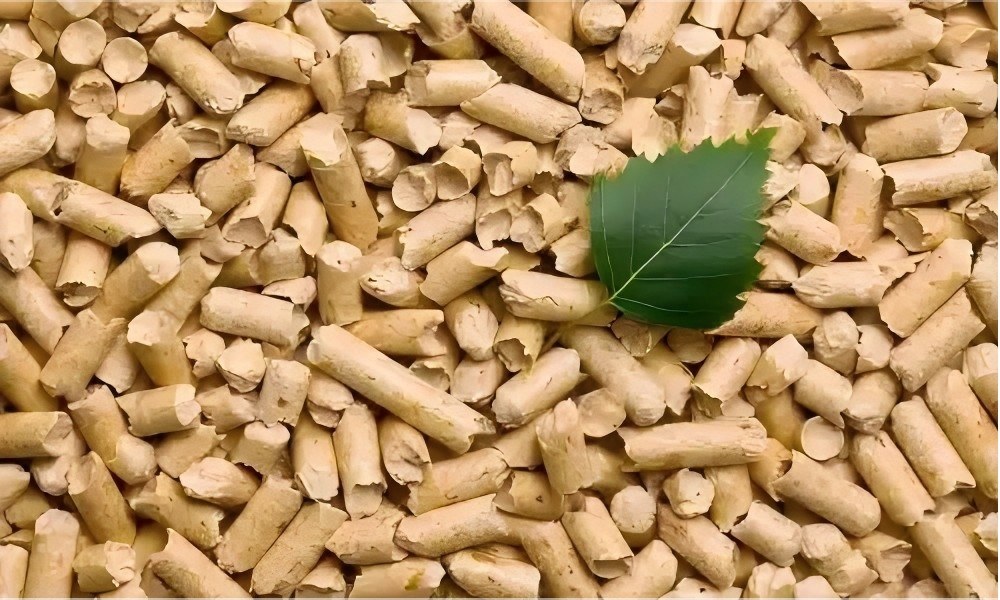
Pelletizing addresses all of these challenges by compressing straw into dense, uniform pellets.
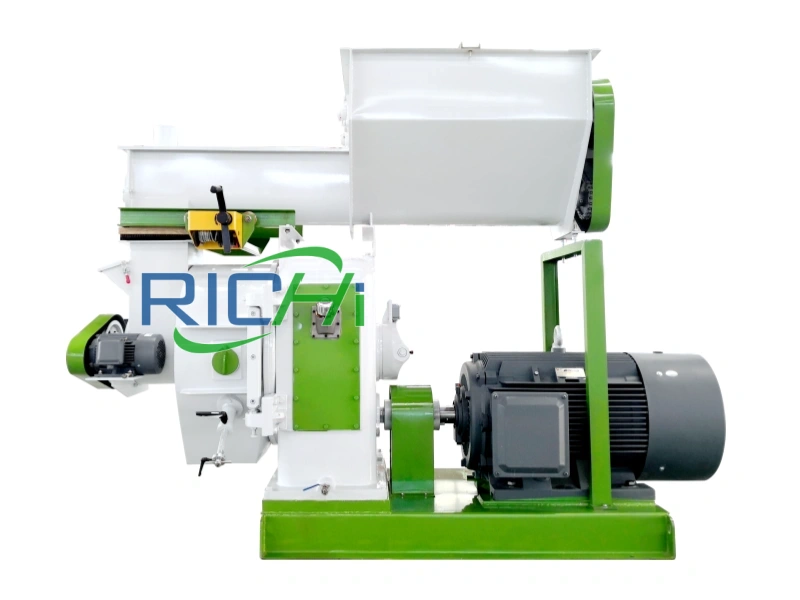
Modern straw pellet machine systems can dramatically increase material density, improving transportation efficiency and making biomass fuel more attractive to commercial buyers.
A Realistic Business Model for Agricultural Cooperatives
One increasingly popular approach involves farmer cooperatives working together to establish regional pellet production facilities.
This model offers several benefits:
Shared Investment
Multiple participants contribute resources, reducing individual financial risk.
Reliable Feedstock Supply
Cooperatives can secure large volumes of raw materials from member farms.
Greater Market Influence
Larger production volumes improve negotiating power with industrial buyers.
Improved Equipment Utilization
Production facilities can operate more efficiently when supplied consistently throughout the year.
For many agricultural regions, cooperative ownership represents an effective path toward entering the biomass market.
Understanding the Production Process
While pellet production may seem complex, modern systems have made the process increasingly efficient.
Straw Collection
After harvest, straw is gathered and transported to processing facilities.
Size Reduction
Large bales are processed into smaller particles suitable for pelletizing.
Moisture Adjustment
Proper moisture content is essential for producing durable pellets.
Pellet Formation
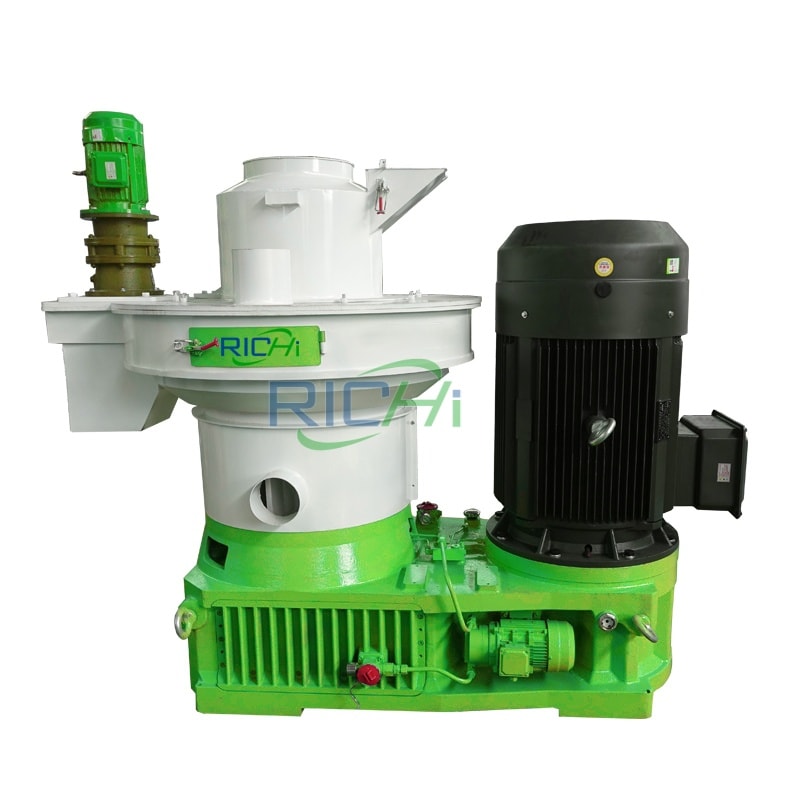
Material is compressed through specialized equipment where heat and pressure create dense biomass fuel.
Cooling and Packaging
Finished pellets are cooled, screened, and prepared for storage or shipment.
A properly designed facility can maintain stable production while meeting commercial quality standards.
Choosing the Right Scale
One of the most important decisions involves determining plant capacity.
Smaller operations may focus on local markets, while larger facilities target industrial customers or export opportunities.
Many investors begin by evaluating a 1-2 T/H straw pellet plant for sale because it offers a practical balance between investment cost and production capability.
This scale is often suitable for:
- Agricultural cooperatives
- Medium-sized farms
- Local energy suppliers
- Regional biomass distributors
As demand grows, production capacity can often be expanded.
Market Demand Continues to Grow
Biomass pellets are used across numerous industries.
Industrial Heating
Factories use biomass boilers to generate process heat.
Power Generation
Power plants increasingly incorporate biomass fuel into their energy mix.
Commercial Facilities
Hotels, greenhouses, and institutional buildings utilize biomass heating systems.
Export Markets
Countries with strong renewable energy policies continue importing biomass fuels to supplement domestic production.
These diverse applications create stable demand for quality pellet products.
Environmental Benefits Create Additional Value
Beyond direct revenue opportunities, biomass pellet production contributes to several environmental objectives.
Reduced Agricultural Burning
Pellet manufacturing provides an alternative use for crop residues.
Lower Greenhouse Gas Emissions
Biomass fuels can help reduce dependence on fossil energy sources.
Resource Efficiency
Materials that might otherwise be discarded become valuable products.
Circular Economy Development
Agricultural by-products remain productive within the economy instead of becoming waste.
These sustainability benefits are increasingly influencing purchasing decisions among industrial buyers.
Technology Is Making Production More Accessible
Advancements in pellet production equipment have significantly improved operational efficiency.
Today’s systems offer:
- Automated controls
- Improved energy efficiency
- Higher production stability
- Enhanced pellet quality
- Reduced maintenance requirements
Manufacturers such as Richi Pellet Machine have contributed to industry development by offering customized solutions designed for different feedstock types and production capacities.
This flexibility allows investors to select equipment configurations that match their specific project requirements.
Common Factors Behind Successful Projects
Successful biomass pellet operations often share several characteristics.
Consistent Raw Material Supply
Reliable feedstock availability supports long-term profitability.
Strategic Location
Facilities located near both feedstock sources and target customers often achieve lower operating costs.
Appropriate Equipment Selection
Matching equipment capacity to market demand helps optimize investment returns.
Strong Customer Relationships
Long-term contracts can provide stable revenue streams and support business growth.
These factors are often more important than simply pursuing the largest possible production capacity.
Looking Toward the Future
The biomass industry continues to evolve as energy markets seek sustainable alternatives to conventional fuels.
Agricultural residues are expected to play an increasingly important role in supporting renewable energy development. Farmers who understand this trend may find new opportunities to monetize resources that previously generated little economic value.
Those interested in exploring additional project examples and industry developments can click for more information about emerging biomass pellet technologies and commercial applications.
Conclusion
For farmers and agricultural businesses, straw represents far more than a harvest by-product. It is a renewable resource with growing commercial value.
By converting agricultural residues into biomass pellets, producers can create additional income streams, reduce waste, support environmental goals, and participate in a rapidly expanding renewable energy market.
As demand for sustainable fuels continues to increase, straw pellet production is likely to become an even more important opportunity for rural economies around the world.
(Related Post: https://www.richipelletmill.com/straw-pellet-plant/ )