



Using Cassava Starch in Plant-Based Cat Litter Manufacturing
Understanding the Role of Starch in the Formulation Cassava starch can be considered as a…
Understanding the Role of Starch in the Formulation Cassava starch can be considered as a…
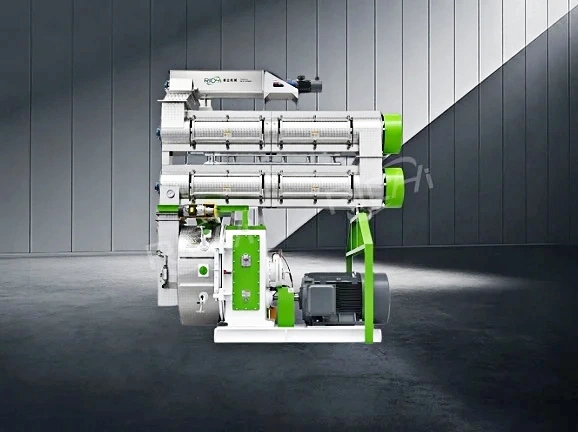
A rabbit producer in southern Europe once described a problem that had puzzled him for…

Sawdust is one of the most popular raw materials for wood pellet production. It is…

A Reliable Line Starts With Process Logic A sawdust cat litter production line can contain…
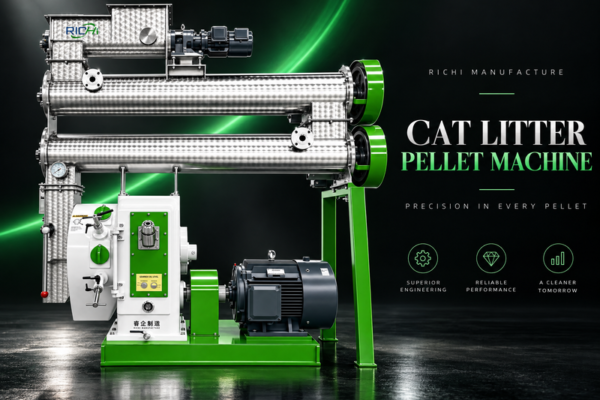
Understanding the Role of Starch in the Formulation Cassava starch can be considered as a formulation ingredient when developing certain plant-based cat litter products. Its suitability depends on the complete recipe, processing conditions, and performance targets rather than on the ingredient alone. Manufacturers need to establish how starch interacts with fibers, water, and other ingredients…
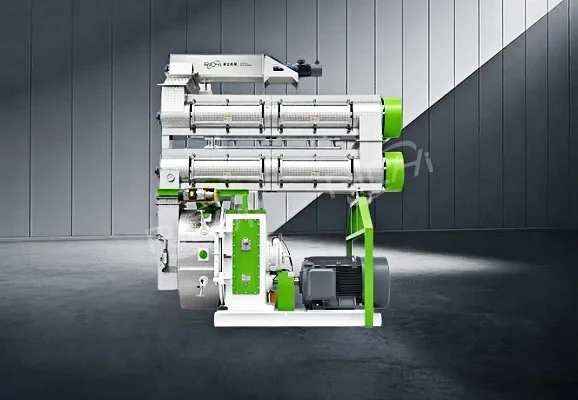
A rabbit producer in southern Europe once described a problem that had puzzled him for months. His rabbits were healthy. The feed formula was the same one he had used for years. But intake had dropped, and the floor under the cages was covered with pellets that had been bitten and dropped. He changed feed…
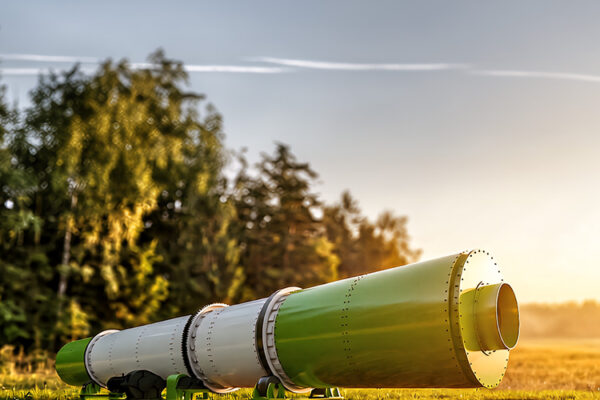
Sawdust is one of the most popular raw materials for wood pellet production. It is generated by sawmills, furniture factories, woodworking plants, timber processing facilities, and other wood-processing industries. Because sawdust is already relatively small in particle size, it can often be prepared for pelletizing with fewer size-reduction steps than larger wood residues. However, sawdust…

A Reliable Line Starts With Process Logic A sawdust cat litter production line can contain many different machines, but reliability rarely comes from simply adding more equipment. The most reliable systems are built around logical material flow. Every stage should answer a specific manufacturing need. Large particles are reduced. Moisture is adjusted. Prepared material is…
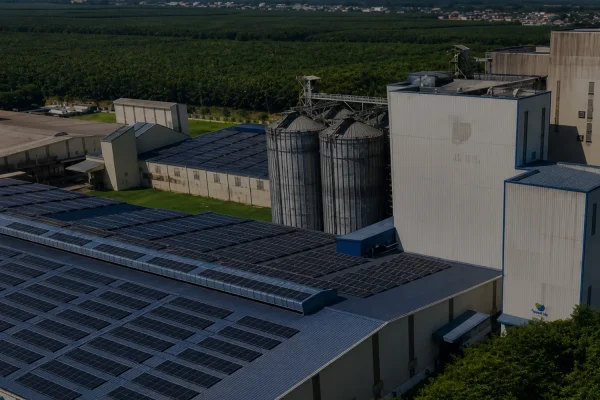
Producing quality pig feed involves much more than grinding grain and adding a few nutritional ingredients. A modern feed plant needs to manage raw materials, formulation accuracy, particle size, mixing uniformity, pellet quality, storage, and production efficiency as one connected process. For farmers and feed manufacturers planning a new facility, understanding the complete production process…
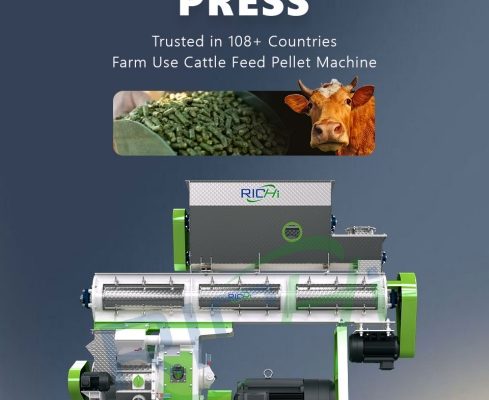
A 2–5 tons per hour alfalfa pellet production system can be suitable for commercial forage producers, livestock farms, and feed businesses with a stable supply of alfalfa. At this capacity, the production line needs to maintain a consistent flow from raw material preparation to finished pellet handling. The pellet mill is the core equipment, but…
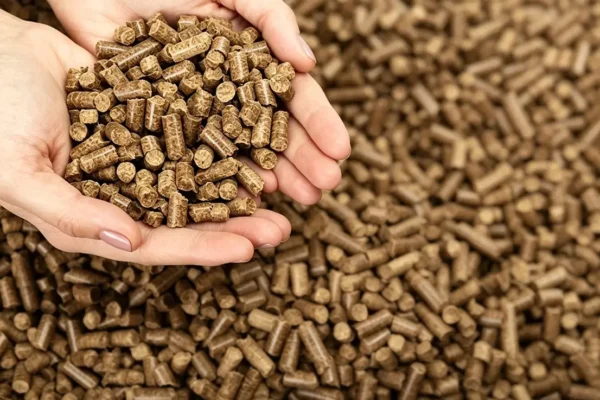
Empty fruit bunches (EFB) are one of the major solid residues generated by palm oil mills. With large quantities produced during palm oil processing, EFB can become a valuable biomass resource when properly processed into fuel pellets. However, EFB pelletizing is not always straightforward. Its fibrous structure, relatively high moisture content, variable particle size, and…
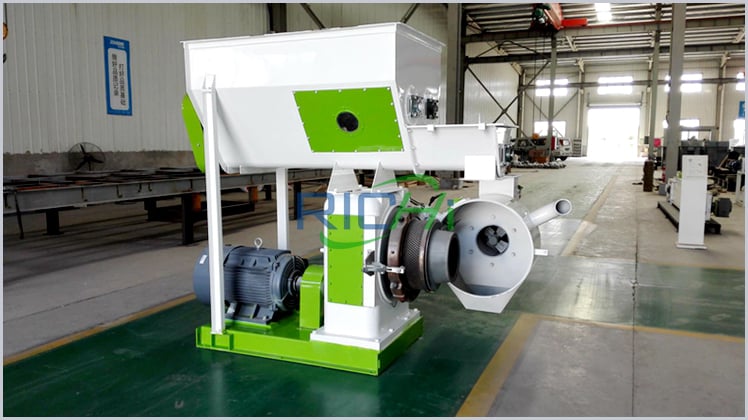
If you’ve spent any time looking at rice husk pellet machines, you’ve probably noticed something confusing. The prices are all over the place. One supplier quotes a few thousand dollars. Another quotes tens of thousands. And they’re both describing machines that supposedly do the same thing—turn rice husks into pellets. So what’s actually going on?…
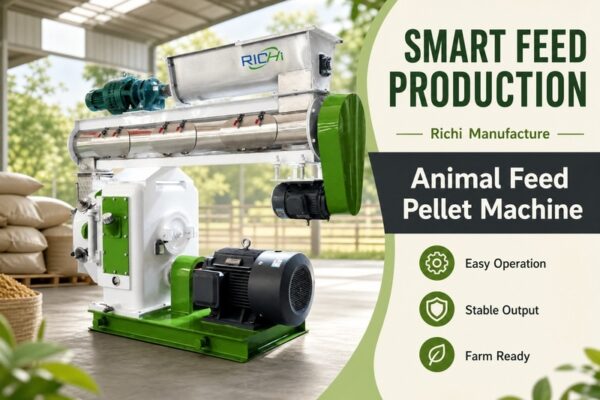
A complete livestock feed mill is a coordinated production facility rather than a single machine. To transform agricultural ingredients into finished pellets, the plant needs a sequence of processing stages that prepare, condition, compress, cool, screen, and package the material. The animal feed pellet mill machine is central to this process, but its performance depends…
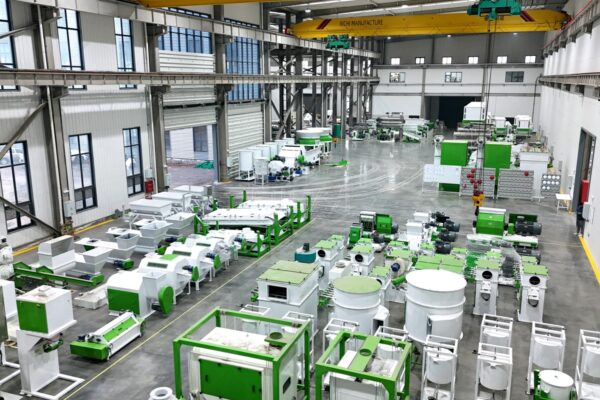
Buyers should verify a pellet equipment manufacturer’s quality control system by following evidence from drawing release through material receipt, machining, welding, assembly, factory testing, preservation, packing, and final documentation. Certificates and a clean workshop are useful context, but neither proves that the machine being purchased was built to the agreed specification. The decisive question is…