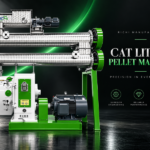
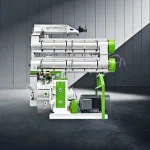


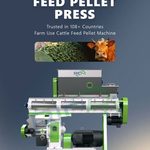
A 2–5 tons per hour alfalfa pellet production system can be suitable for commercial forage producers, livestock farms, and feed businesses with a stable supply of alfalfa.
At this capacity, the production line needs to maintain a consistent flow from raw material preparation to finished pellet handling. The pellet mill is the core equipment, but grinding, drying, feeding, cooling, and screening also need to be properly matched.
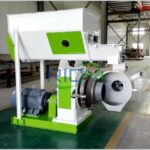
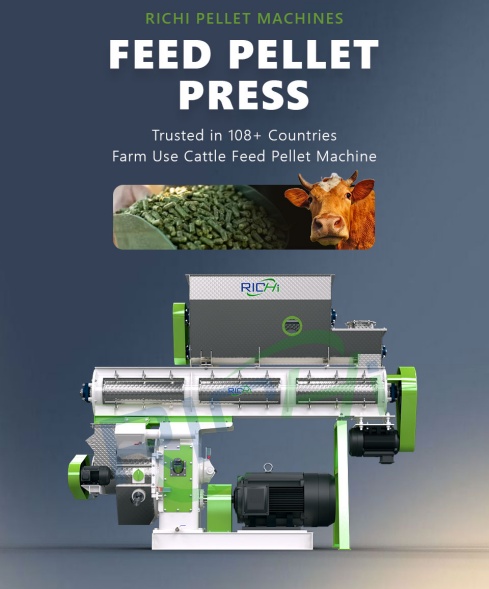
The alfalfa pellet machine 2-5 tph should therefore be selected according to the condition of the alfalfa and the required production output.
Raw Material Preparation
Alfalfa can enter the plant as fresh-cut forage, dried hay, or pre-ground alfalfa meal.
Fresh alfalfa normally contains much more moisture than dried material, so the preparation process can vary significantly between projects.
Before selecting equipment, the raw material should be checked for moisture content, particle size, fiber characteristics, and daily availability.
This information helps determine whether the project needs a dryer, hammer mill, or other preparation equipment.
Drying Requirements
Moisture control is particularly important when processing fresh alfalfa.
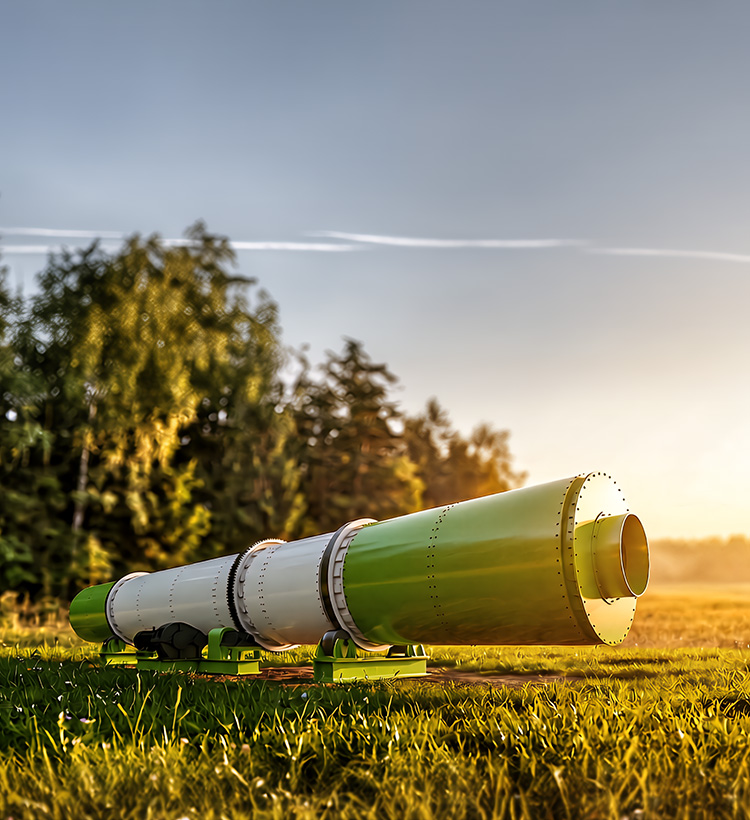
A rotary dryer can reduce excessive moisture before the material enters the grinding and pelletizing sections. The required drying capacity depends on the initial moisture content, target moisture, throughput, and available heat source.
Projects using properly dried alfalfa may require less drying capacity or may not need additional drying at all.
For this reason, raw material testing should be completed before finalizing the drying system.
Grinding and Conditioning
After drying, larger pieces of alfalfa may need to be reduced to a suitable particle size.
A hammer mill can produce a more uniform material and help improve feeding into the pellet mill.
The grinding system should be capable of supplying enough prepared material to maintain the target 2–5 TPH production rate.
If grinding becomes a bottleneck, the pellet mill cannot maintain its expected output even when the pelletizing equipment has sufficient capacity.
Pelletizing Process
Once the alfalfa reaches the required moisture and particle size, it enters the pelletizing section.
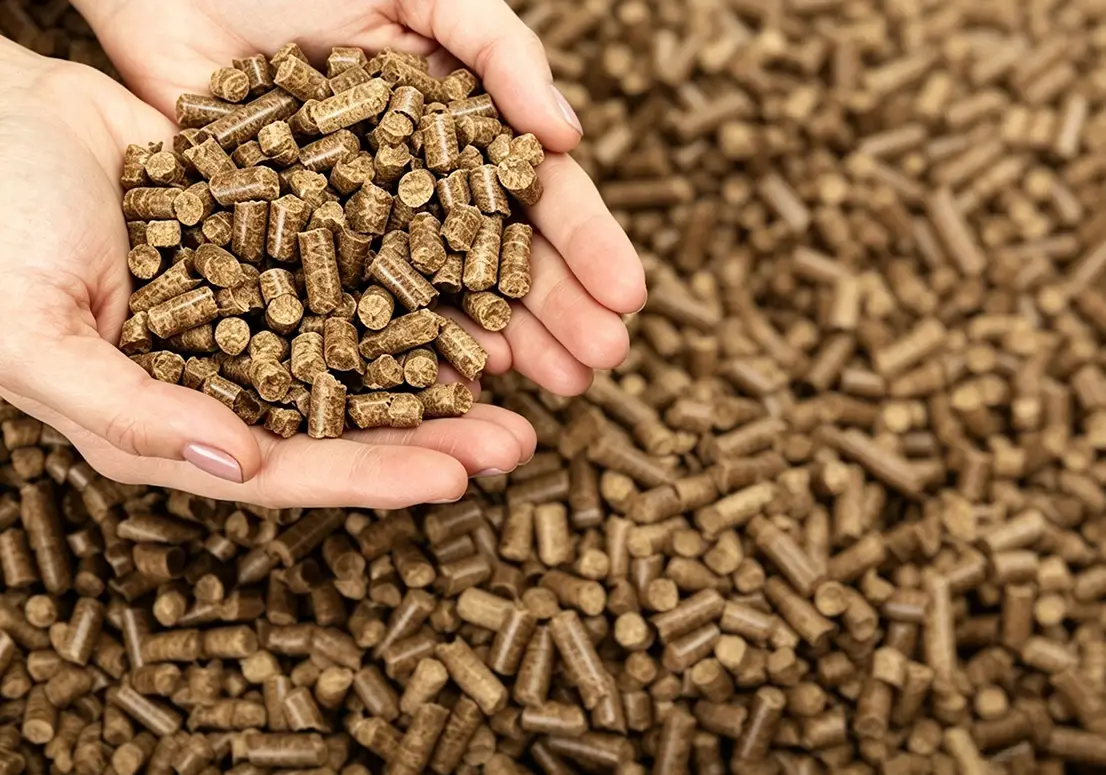
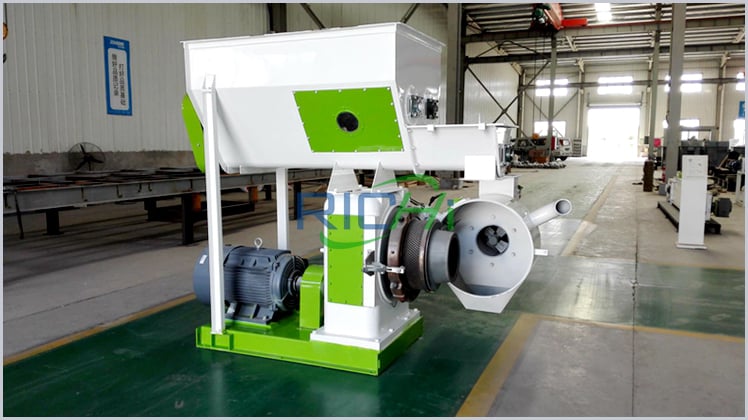
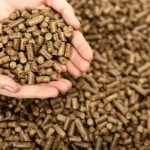
Inside the pellet mill, rollers compress the prepared material against a die. The pressure forces the alfalfa through the die holes and forms cylindrical pellets.
The die determines the approximate pellet diameter, while raw material characteristics and operating conditions influence production performance.
For comparison, a grass pellet machine 1-3 tph can be used for other forage pellet projects. However, grass and alfalfa can have different moisture and fiber characteristics, so the equipment configuration should still be based on the actual material being processed.
Cooling and Screening
Fresh alfalfa pellets normally leave the pellet mill with heat generated during compression.
A cooler reduces the pellet temperature and helps stabilize the finished product before storage.
The cooled pellets then pass through a screening system. Loose fines and undersized pellets are separated from the finished product.
Depending on the plant design, suitable fines can be returned to the pelletizing process.
For a 2–5 TPH project, continuous cooling and screening help maintain stable downstream material handling.
Typical Equipment Configuration
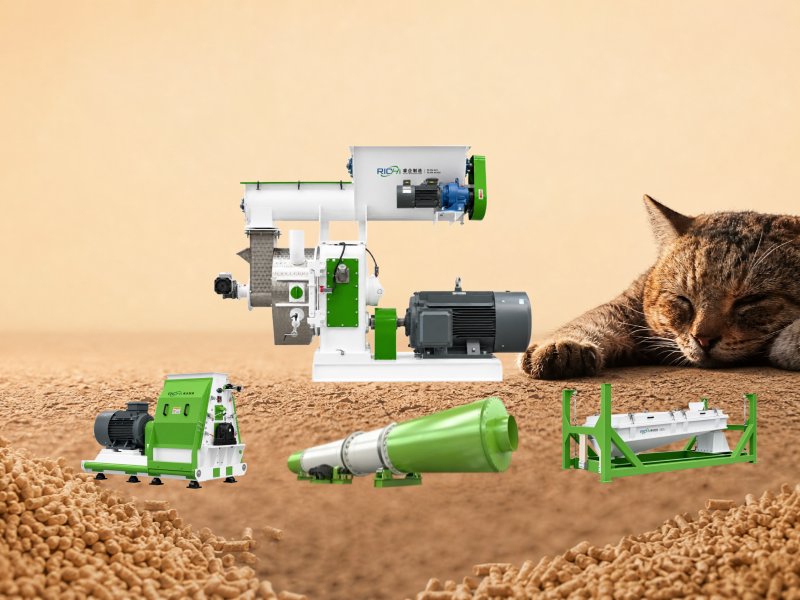
A commercial alfalfa pellet line may include:
- Raw material feeding system
- Hammer mill
- Rotary dryer when necessary
- Pellet mill
- Pellet cooler
- Vibrating screen
- Conveyors
- Storage equipment
- Packing system
Not every project requires the same configuration.
For example, a producer receiving dry and pre-ground alfalfa may not need a large grinding or drying section.
The equipment list should therefore be based on the actual condition of the raw material.
Integrated Material Flow
At 2–5 TPH, the production system should be designed to keep material moving continuously between each processing stage.
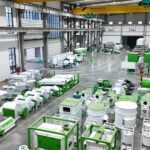
A complete pellet production line can connect feeding, grinding, drying, pelletizing, cooling, screening, and conveying equipment.
This integrated arrangement can reduce manual material handling and make it easier to coordinate the capacity of individual machines.
Automation can also be added according to production requirements and labor availability.
Storage and Packaging
Finished alfalfa pellets should be protected from moisture during storage.
Bulk storage bins can be used when pellets are supplied directly to livestock farms or commercial feed operations. Bagging equipment can be added when smaller packaged products are required.
The storage system should provide enough capacity for the planned production schedule and delivery frequency.
These requirements should be considered during the initial plant design rather than added after installation.
What to Prepare Before Equipment Selection
Before purchasing equipment, project owners should provide:
- Alfalfa form
- Initial moisture content
- Daily raw material availability
- Target production capacity
- Pellet diameter
- Existing processing equipment
- Available heat source
- Electricity specifications
- Storage requirements
- Packaging method
With this information, suppliers can recommend a configuration that matches the actual production conditions.
A 2–5 TPH alfalfa pellet project is therefore an integrated processing system rather than simply a pellet mill purchase. Proper grinding, moisture control, pelletizing, cooling, screening, and conveying all contribute to reliable production.
For more information about forage pellet equipment and complete production systems, read more before finalizing the project configuration.
Related Post: https://pelletizerequipment.com/hay-pellet-machine-for-sale/