



If you’ve spent any time looking at rice husk pellet machines, you’ve probably noticed something confusing. The prices are all over the place. One supplier quotes a few thousand dollars. Another quotes tens of thousands. And they’re both describing machines that supposedly do the same thing—turn rice husks into pellets. So what’s actually going on?
The answer isn’t simple, but it’s worth understanding. The price of a rice husk pellet machine reflects a lot more than just the metal and the motor. It reflects capacity, build quality, the engineering behind the design, the manufacturer’s reputation, and the level of support you’ll get after the sale. If you’re planning to invest, it pays to know what you’re actually paying for.
Why Rice Husks Are Different
Not all biomass materials are the same, and rice husks are particularly challenging. They’re abrasive. The silica content in rice husks is high—sometimes as much as 20%—and that silica acts like sandpaper on the internal components of a pellet machine. Dies and rollers wear out quickly if they’re not made from the right materials.
Rice husks are also lightweight and fluffy. They don’t flow through feeding systems the way grain or sawdust does. They tend to bridge and clog. A machine that works fine with wood pellets may struggle badly with rice husks.
And then there’s the moisture issue. Rice husks from different mills can vary widely in moisture content. Some are relatively dry and easy to process. Others are wet enough to require drying before pelleting. That adds cost and complexity to the operation.
All of these factors affect the price of the equipment. A machine that’s built to handle rice husks specifically will cost more than a general-purpose pellet mill. But the general-purpose machine will wear out faster, break down more often, and produce lower-quality pellets. The cheaper option isn’t actually cheaper in the long run.
What Drives the Price Up or Down
The rice husk pellet machine price depends on several key factors. Understanding them helps you compare quotes intelligently instead of just looking at the bottom line.
Capacity is the most obvious factor. A machine that produces 200 kilograms per hour has a smaller motor, a smaller die, and lighter construction than one that produces two tons per hour. The larger machine needs more power, heavier bearings, and stronger steel. The price scales with throughput.
Build quality matters. A die made from standard steel costs less than one made from wear-resistant alloy. The standard die might last a few hundred hours with rice husks. The alloy die might last several thousand. On paper, the cheaper die saves money. In practice, the frequent replacements and downtime cost far more.
The level of automation affects the price. A manual machine requires an operator to monitor and adjust it constantly. An automated machine monitors itself and adjusts parameters automatically. The automated version costs more upfront but reduces labor costs and improves consistency.
The manufacturer’s reputation and support network also affect the price. A company with a proven track record, readily available spare parts, and responsive technical support charges more than an unknown supplier. But that support can be the difference between a machine that runs smoothly for years and one that sits idle waiting for a part that never arrives.
The Capacity Question
The right capacity depends on how much rice husk you have available and what you plan to do with the pellets. A small rice mill might produce a few hundred tons of husks per year. A large mill might produce thousands. The machine needs to match the supply.
But there’s a balance to strike. A machine that’s too small will run constantly, wearing out components prematurely and consuming more labor per ton of output. A machine that’s too large will sit idle much of the time, tying up capital that could be used elsewhere.
For small operations, a machine in the 200 to 500 kilogram per hour range is often sufficient. These machines are affordable and can be run intermittently. They’re a good starting point for a mill that wants to test the market before committing to a larger system.
For larger operations, the scale changes. An industrial biomass pellet machine for sale is built for continuous operation. These machines can process several tons per hour and are designed to run around the clock. They’re used in commercial pellet plants, large rice mills, and dedicated biomass facilities.
The price of an industrial machine is higher, but the per-ton production cost is lower. The efficiency gains from scale make the investment worthwhile for operations with a steady supply of husks and a reliable market for the pellets.
What the Machine Actually Does
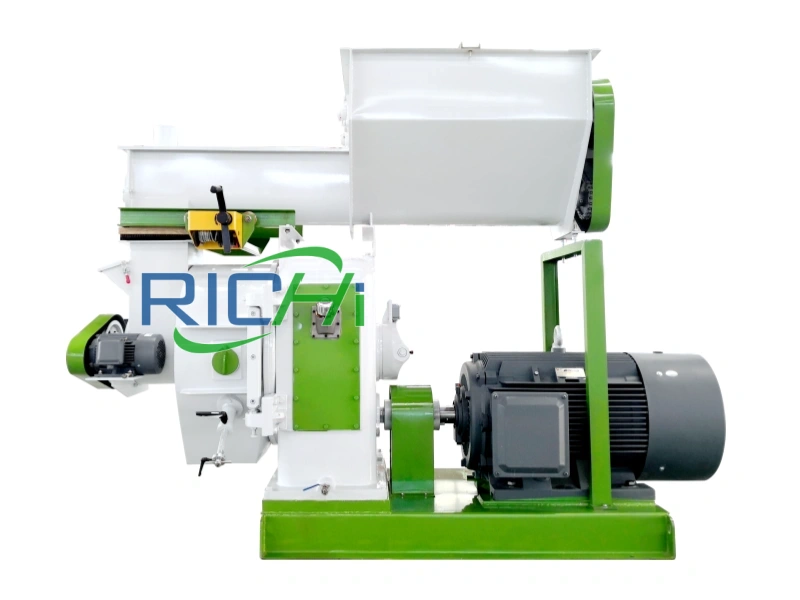
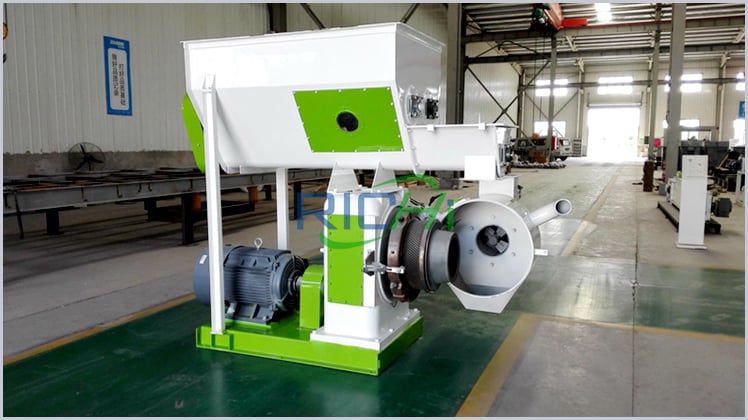
The pellet machine at the heart of the operation is the component that transforms ground husks into finished pellets. It consists of a die, rollers, a motor, and a control system.
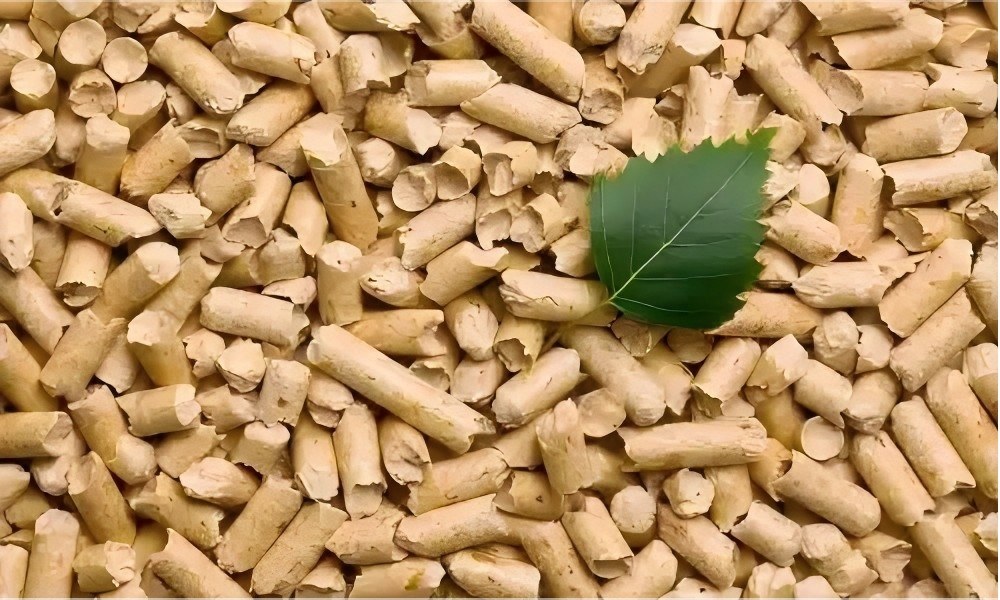
The die is a thick metal ring with precision-drilled holes. The husks are forced through these holes by rotating rollers. The friction generates heat, which melts the natural lignin in the husks and binds the particles together. The pellets emerge as dense, uniform cylinders.
The die must be made from a material that resists abrasion. Rice husks are abrasive, and a standard die will wear out quickly. The die hole diameter determines the pellet size. For fuel pellets, 6 to 8 millimeters is common. For other applications, smaller or larger sizes may be required.
The rollers press the material against the die. The gap between the rollers and the die must be precisely set. If it’s too wide, the pellets will be weak. If it’s too narrow, the machine will struggle to feed and may overheat.
The motor provides the power for compression. The motor size must match the capacity of the machine. An undersized motor will struggle with rice husks, which require more power to compress than many other materials.
The control system manages the feed rate, conditioning, and other parameters. A basic system requires manual adjustment. A more advanced system monitors conditions and adjusts automatically.
The Supporting Equipment
The pellet machine is the centerpiece, but it’s not the whole system. To produce quality pellets from rice husks, you also need supporting equipment.
A hammer mill grinds the husks to a consistent particle size. Rice husks are already relatively small, but they still need grinding to achieve uniform pellet quality.
A dryer may be needed if the husks are too wet. Rice husks from some mills have moisture content of 15% or higher. For pelleting, the moisture should be around 12% to 15%. A rotary dryer or a belt dryer can reduce the moisture to the right level.
A cooler reduces the temperature of the pellets after they emerge from the machine. Hot pellets are soft and prone to breakage. Cooling hardens them and prepares them for storage.
A screener removes fines and broken pellets, which are recycled back into the process. Screening improves the quality of the final product.
Each of these components adds to the total cost. When comparing quotes, make sure you’re comparing complete systems, not just the pellet machine itself.
The Economics of Rice Husk Pelleting
The economics depend on several factors. The cost of the raw material is usually low. Rice husks are a byproduct of rice milling. In many regions, they’re available for free or at very low cost. The mill may even pay to have them removed.
The energy cost of processing is significant. Grinding, drying, and pelleting all consume electricity or fuel. A typical pellet line might use 100 to 200 kilowatt-hours per ton of pellets. At industrial electricity prices, that adds $10 to $30 per ton to the production cost.
The market price for rice husk pellets varies by region and application. Fuel pellets often sell for $100 to $250 per ton. Bedding pellets and feed pellets may command different prices. The margin depends on the difference between production cost and market price.
For many operations, the payback period is two to three years. After that, the system generates ongoing savings or income. The environmental benefits—reduced open burning, lower fossil fuel use, better waste management—are an additional advantage.
What to Look For in a Supplier
When you’re comparing machines and quotes, there are several things to check. First, ask about the die material. A wear-resistant alloy is essential for rice husks. Second, ask about the motor size and the power requirements. The motor must be sized for the load. Third, ask about the control system. A more automated system will be easier to operate and more consistent.
Ask for references. Talk to other operators who are using the same equipment on rice husks. Ask them about reliability, maintenance, and support. A supplier who hesitates to provide references is a supplier to avoid.
Ask about spare parts. Dies and rollers are wear items. They will need to be replaced. How quickly can you get replacements? What do they cost? A machine that’s down for weeks waiting for a part is a machine that’s not making money.
For more detailed information on equipment specifications, supplier comparisons, and real-world performance data, click for more to access resources that can help you make an informed decision.
The Bottom Line
The price of a rice husk pellet machine is not just a number. It’s a reflection of what the machine can do, how long it will last, and how much support you’ll get. A cheaper machine may cost more in the long run through downtime, maintenance, and poor pellet quality. A more expensive machine may pay for itself through reliability and efficiency.
The right machine for your operation depends on your supply of husks, your production goals, and your budget. Take the time to understand the options. Ask questions. Compare not just prices, but the whole package. The decision you make will affect your operation for years to come.