


The global shift toward renewable energy has positioned biomass pellets as a clean, sustainable alternative to fossil fuels. A biomass pellet making plant transforms agricultural and forestry waste into high-density fuel pellets, delivering both environmental and economic benefits. Modern production systems, featuring biomass pellet making machine for sale options from leading manufacturers, enable efficient operations that meet growing market demand while reducing carbon emissions .
Understanding Biomass Pellet Production
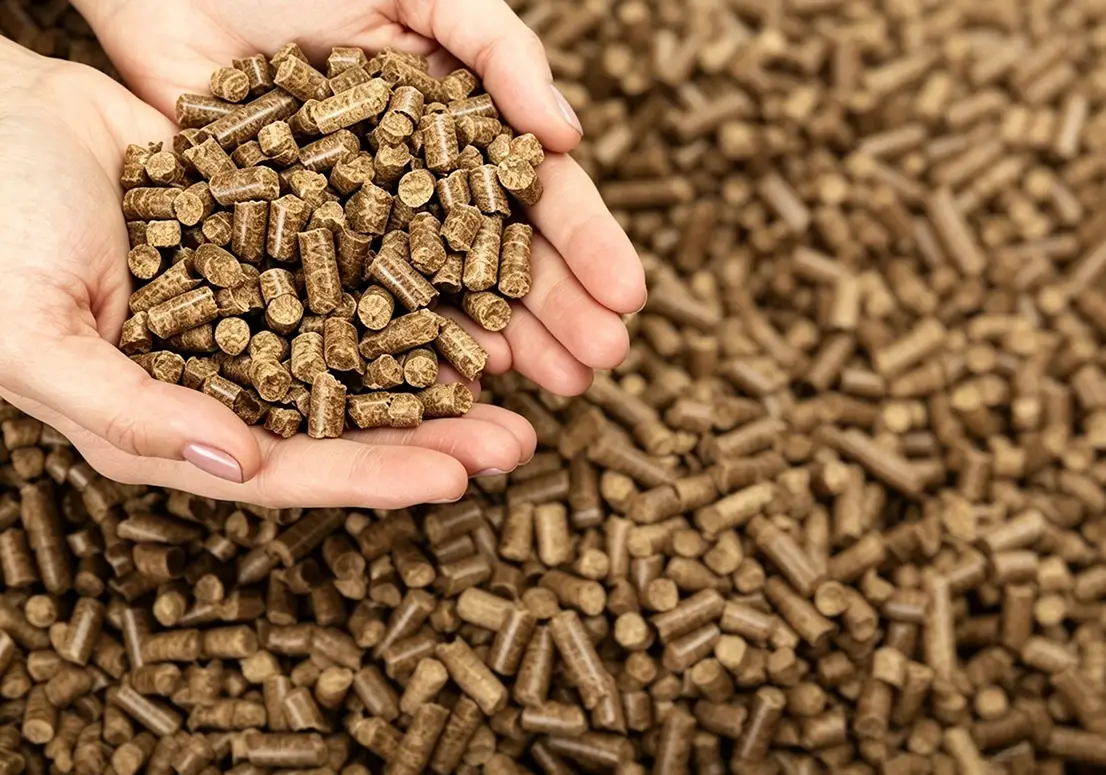
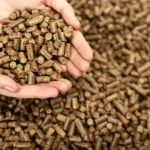
A biomass pellet making plant converts raw materials such as wood chips, sawdust, crop straw, rice husks, and other biomass waste into solid fuel pellets through a series of processing stages . These pellets typically have a diameter of 6 to 12 millimeters and serve as clean fuel for household heating, industrial boilers, and power generation .
The production process follows a carefully engineered sequence: raw material pretreatment, crushing, drying, pelletizing, cooling, screening, and packaging . Each stage is critical for achieving consistent pellet quality and optimal combustion performance. Biomass pellets offer high combustion efficiency, low pollution, and help solve environmental problems caused by straw burning and waste wood disposal .
Core Equipment: The Pellet Line
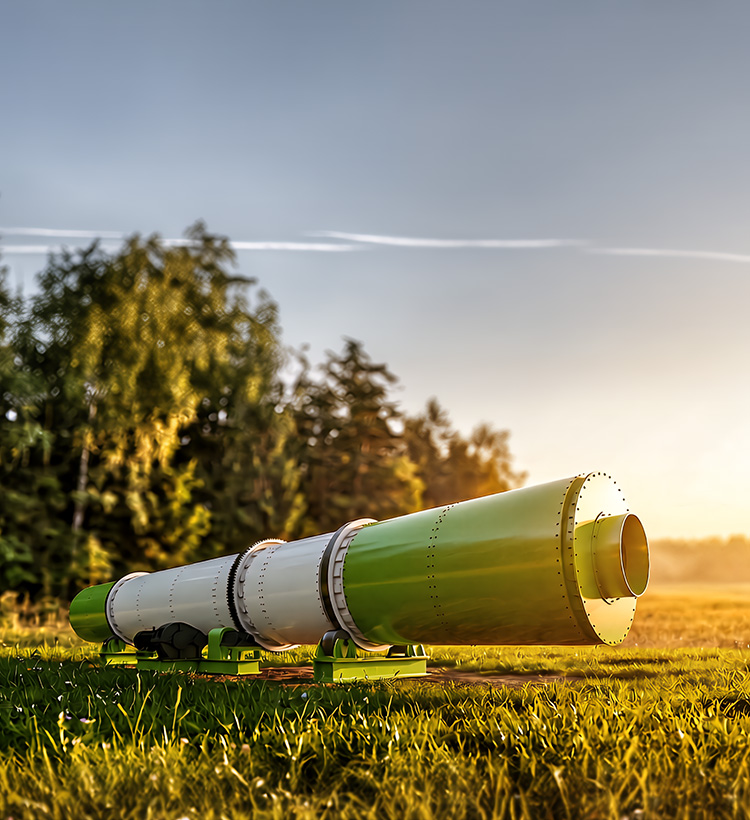
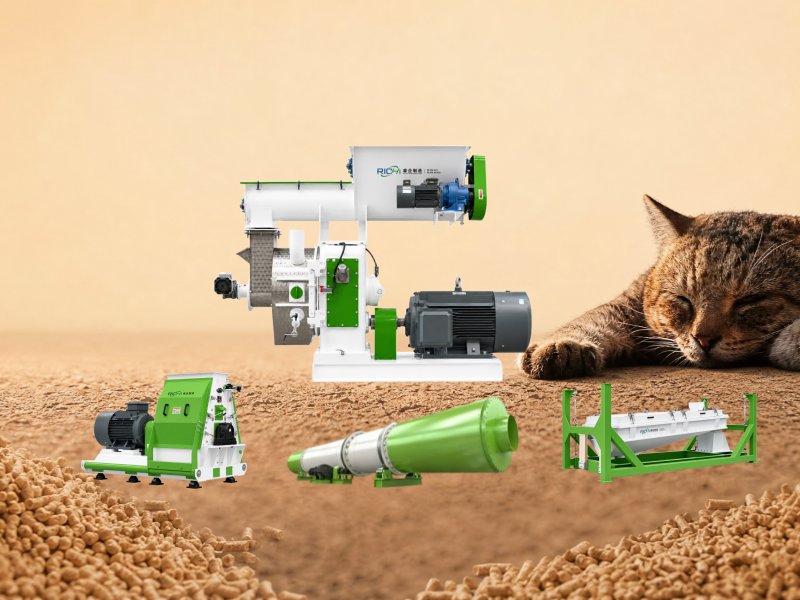
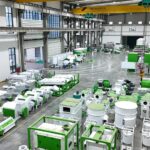
At the heart of every biomass pellet operation is the pellet line, which includes a range of integrated equipment. A complete biomass pellet making plant typically consists of crushers, dryers, pellet mills, coolers, screening machines, dust collectors, and automatic packaging systems .
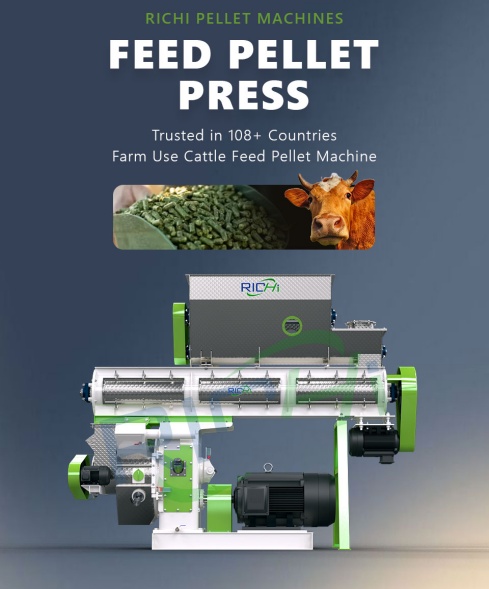
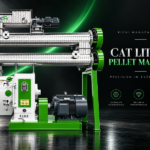
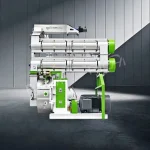
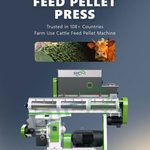
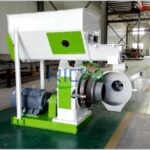
The pellet line is built around the ring die pellet mill, which compresses prepared biomass material into dense, uniform pellets. Available models offer capacities from 0.5 to 10+ tons per hour, with motor power ranging from 22 kW to 300 kW . For example, the DDKL series offers capacities from 0.8-1.0 t/h up to 4.5-5.0 t/h, producing pellet sizes of 6mm, 8mm, 10mm, or 12mm .
Key features of modern pellet line equipment include imported bearings, high-quality motors, and forced feeding systems to handle fibrous materials. The ring dies and rollers are manufactured from alloy steel with vacuum quenching heat treatment, achieving extended service life . Gear transmission systems offer high efficiency and increased production capacity compared to belt-driven designs .
Turnkey Solutions and Capacity Options
A biomass pellet making plant can be configured as a complete turnkey solution covering all stages from material preparation to final packaging . Turnkey solutions eliminate the risks associated with sourcing standalone machinery from multiple vendors, which often leads to installation delays and engineering overhead .
RICHI Machinery, a leading provider in this field, has successfully built thousands of biomass pellet projects across more than 130 countries, covering diverse biomass types and production scales . Their plants feature high automation with PLC control systems, comprehensive dust removal equipment for environmental compliance, and energy-saving motors that reduce operational costs .
For producers seeking biomass pellet making machine for sale, capacities typically range from 1 to 15 tons per hour . A 2-3 t/h wood pellet production line, for instance, might require approximately 255 kW motor power and occupy a plant area of 12m x 26m . Prices for complete production lines vary significantly based on capacity and configuration, with larger systems representing substantial investments .
Quality Considerations and Best Practices
Achieving consistent pellet quality requires careful attention to several parameters. Raw material moisture content must be controlled at 13-18% before pelletizing to ensure optimal pellet formation and prevent die blockage . The pelletizing temperature is typically maintained at 70-90°C to ensure pellet stability and strength . Freshly formed pellets must be cooled to ambient temperature to prevent deformation and improve hardness .
Material formulation also impacts pellet quality and combustion performance. Agricultural residues like straw may require higher granulation temperatures or small amounts of adhesive due to poor natural binding properties . For the most detailed information on equipment specifications and production line configurations, the best site for comprehensive resources provides technical data and case studies from successful installations.
Summary
Investing in a biomass pellet making plant offers a strategic opportunity to convert waste into renewable energy. The combination of advanced pellet line technology with integrated processing systems delivers consistent quality and operational efficiency. For detailed specifications and biomass pellet making machine for sale options, the best site for manufacturer information provides comprehensive solutions tailored to specific capacity requirements and raw material sources.
View details: https://www.richimanufacture.com/biomass-pellet-making-plant/