


Introduction to Leaf Pellet Mills
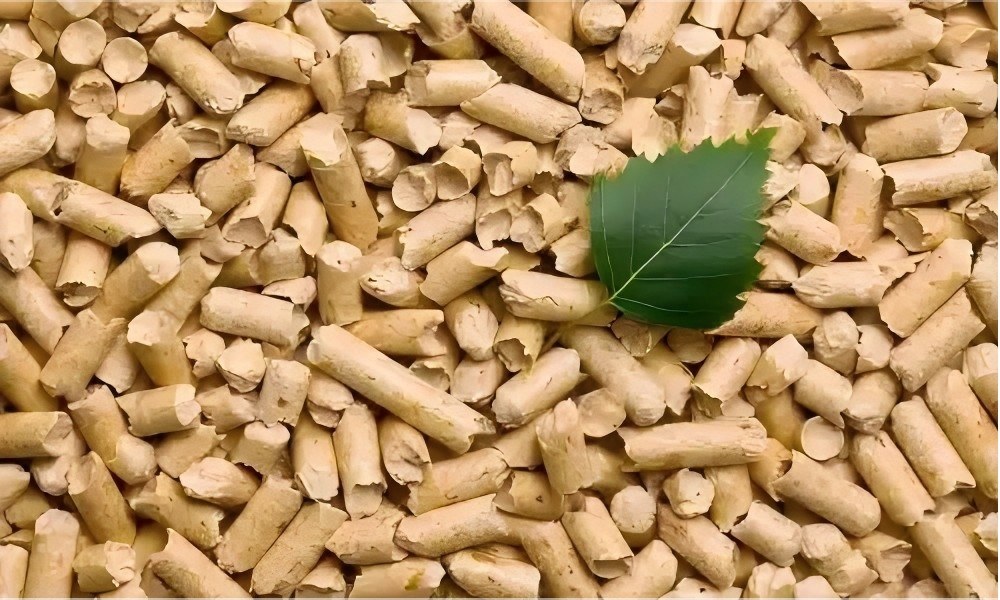
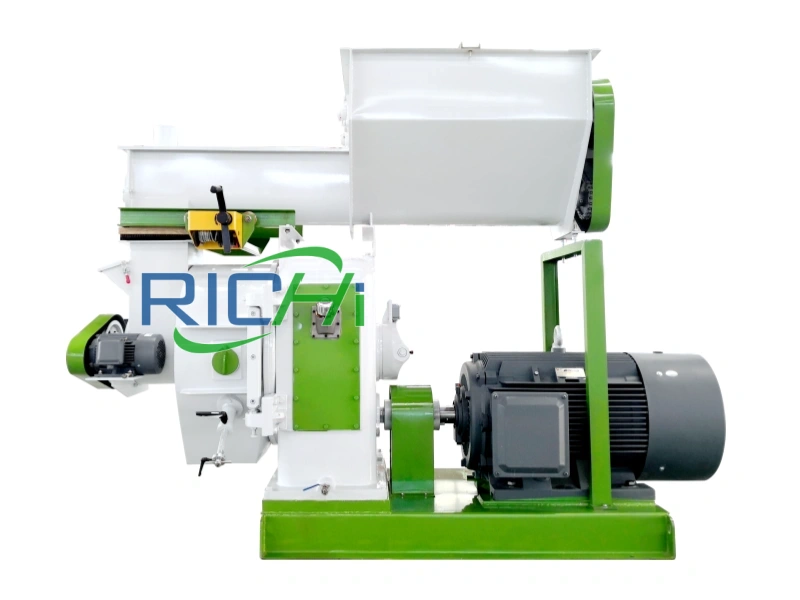
A leaf pellet mill is a type of biomass processing equipment designed to convert dried plant leaves into dense, cylindrical pellets. These pellets are widely used in animal feed, organic fertilizer, biomass fuel, and soil conditioning applications. As agricultural and forestry by-products gain value in circular economy systems, leaf pellet mills have become an important component of sustainable material utilization.
Unlike traditional making pellets from leaves, leaf pellet mills are optimized to handle lighter, more fibrous raw materials. Leaves typically have lower bulk density and higher surface area, which requires specialized compression and conditioning during the pelletizing process.
Historical Background of Leaf Pellet Processing
The use of leaves as a processed material has a long history in agriculture. Traditionally, dried leaves were fed directly to livestock or composted. However, direct use posed challenges such as low storage efficiency, uneven nutrition, and transportation difficulties.
With the development of pelletizing technology in the late 20th century, it became possible to densify leafy biomass into standardized pellets. Early adoption occurred mainly in forage processing and organic fertilizer production. Over time, dedicated leaf pellet mills were developed to improve output stability and pellet quality.
Today, leaf pellet mills are recognized as a specialized subset of biomass pellet technology.
Raw Materials Suitable for a Leaf Pellet Mill
A leaf pellet mill can process a wide range of plant-based raw materials. Common examples include alfalfa leaves, grass leaves, crop foliage, tree leaves, herbal residues, and vegetable plant waste.
The suitability of a material depends on factors such as moisture content, fiber length, and natural binding properties. Leaves with moderate lignin or protein content generally pelletize more easily. In many cases, leaf materials are blended with other biomass components to improve pellet durability.
The flexibility of a leaf pellet mill allows producers to utilize seasonal or locally available resources efficiently.
Core Functions and Working Principle
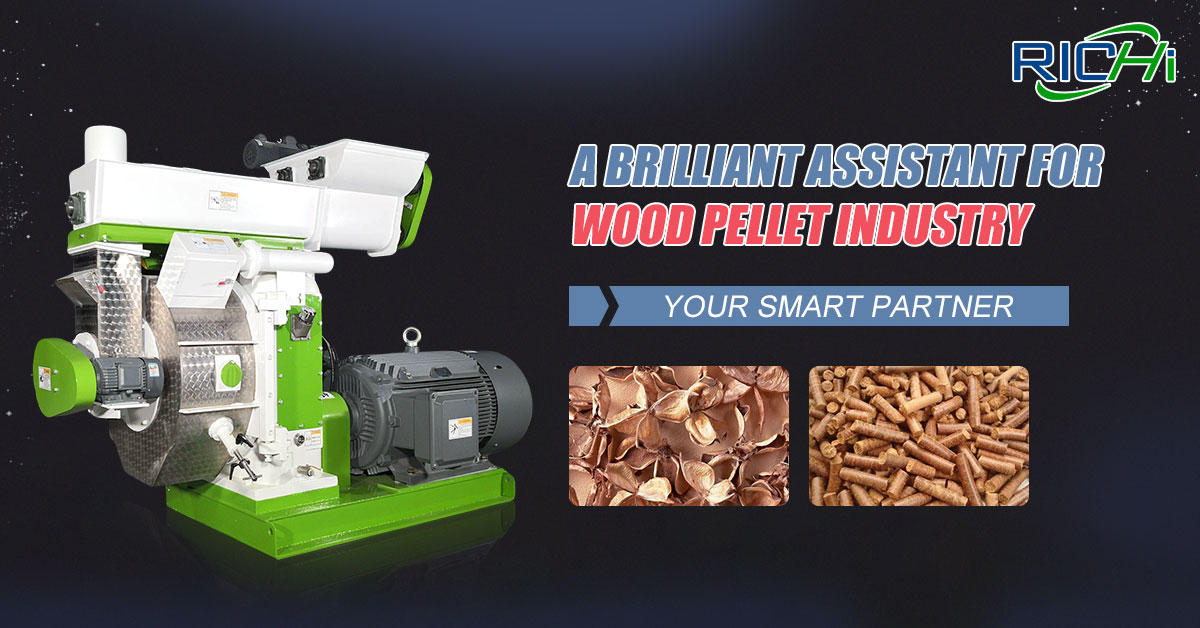
The primary function of a leaf pellet mill is to compress loose leaf particles into uniform pellets under mechanical pressure. During operation, prepared leaf material is fed into the pelletizing chamber, where rotating rollers force the material through a perforated die.
Heat generated by friction softens natural binders within the leaves, enabling pellet formation without synthetic additives in many cases. The resulting pellets exit the die in continuous strands and are cut to standardized lengths.
Manufacturers such as RICHI have contributed to optimizing die design and compression ratios specifically for leaf-based materials.
Leaf Pellet Production Process Overview
A complete leaf pellet production process typically includes several stages. Raw leaves are first collected and cleaned to remove impurities. They are then dried to achieve suitable moisture levels, usually lower than fresh foliage.
Size reduction follows, ensuring uniform particle dimensions. After conditioning, material enters the leaf pellet mill for densification. Post-pelletizing stages include cooling, screening, and packaging.
Each step plays a critical role in ensuring pellet quality, storage stability, and handling efficiency.
Applications of Leaf Pellets
Leaf pellets produced by a leaf pellet mill serve multiple industries. In animal husbandry, leaf pellets are used as a forage-based feed ingredient, particularly for ruminants and herbivorous livestock. They offer consistent nutrition and improved storage properties compared to loose leaves.
In agriculture, leaf pellets are widely used as organic fertilizer or soil amendment. Nutrients contained in leaves are released gradually, improving soil structure and fertility.
Leaf pellets are also used as biomass fuel in small-scale heating systems, though this application is more niche due to lower energy density compared to wood pellets. https://richipelletizer.com/lucerne-pellet-machine/
Advantages of Using a Leaf Pellet Mill
One major advantage of a leaf pellet mill is resource efficiency. Leaves that might otherwise be discarded can be converted into valuable products. Pelletization significantly reduces volume, lowering storage and transportation costs.
Another advantage is product consistency. Pellet form ensures uniform size, weight, and composition, which is especially important for feed and fertilizer applications.
From an environmental perspective, leaf pellet mills support sustainable waste management and reduce reliance on synthetic inputs.
Technical Characteristics and Equipment Design
Leaf pellet mills differ from conventional pellet mills in several technical aspects. They often feature larger compression ratios, optimized roller configurations, and reinforced feeding systems to handle low-density materials.
Temperature and moisture control are particularly important, as leaf fibers are more sensitive to over-drying or overheating. Modern mills integrate monitoring systems to maintain stable operating conditions.
Equipment suppliers, including RICHI manufacture, design leaf pellet mills to balance durability with energy efficiency.
Quality Standards and Pellet Characteristics
Pellets produced by a leaf pellet mill are evaluated based on parameters such as density, durability, moisture content, and nutrient retention. For feed applications, protein and fiber consistency are also critical.
High-quality leaf pellets exhibit smooth surfaces, minimal fines, and stable shape during handling. Quality control procedures often include regular sampling and mechanical durability testing.
Meeting consistent quality standards enhances market acceptance and end-user confidence.
Economic and Environmental Impact
The adoption of leaf pellet mills contributes positively to both economic and environmental goals. Economically, pelletizing leaves creates additional revenue streams for farms, processing plants, and cooperatives.
Environmentally, it reduces open-field burning and landfill disposal of plant waste. By converting leaves into reusable products, leaf pellet mills support circular biomass utilization.
These benefits align closely with global sustainability and resource efficiency initiatives. Wikipedia reference
Global Market and Development Trends
Leaf pellet mills are used worldwide, particularly in regions with strong agricultural sectors. Europe and Asia have seen increased adoption in forage processing and organic fertilizer production.
Technological development continues to focus on improving pellet durability, reducing energy consumption, and expanding material adaptability. RICHI and other manufacturers are actively refining designs to meet diverse market needs.
As demand for sustainable biomass solutions grows, leaf pellet mills are expected to play an increasingly important role.
Conclusion
A leaf pellet mill is a specialized biomass processing solution that transforms loose plant leaves into dense, valuable pellets. Through efficient material utilization, consistent product quality, and broad application potential, leaf pellet mills support sustainable agriculture and renewable resource use.Their role in modern biomass processing is likely to expand as industries seek environmentally responsible and economically viable solutions. Leaf pellet machine south africa