

Introduction: Why Grass Is an Ideal Biomass Feedstock
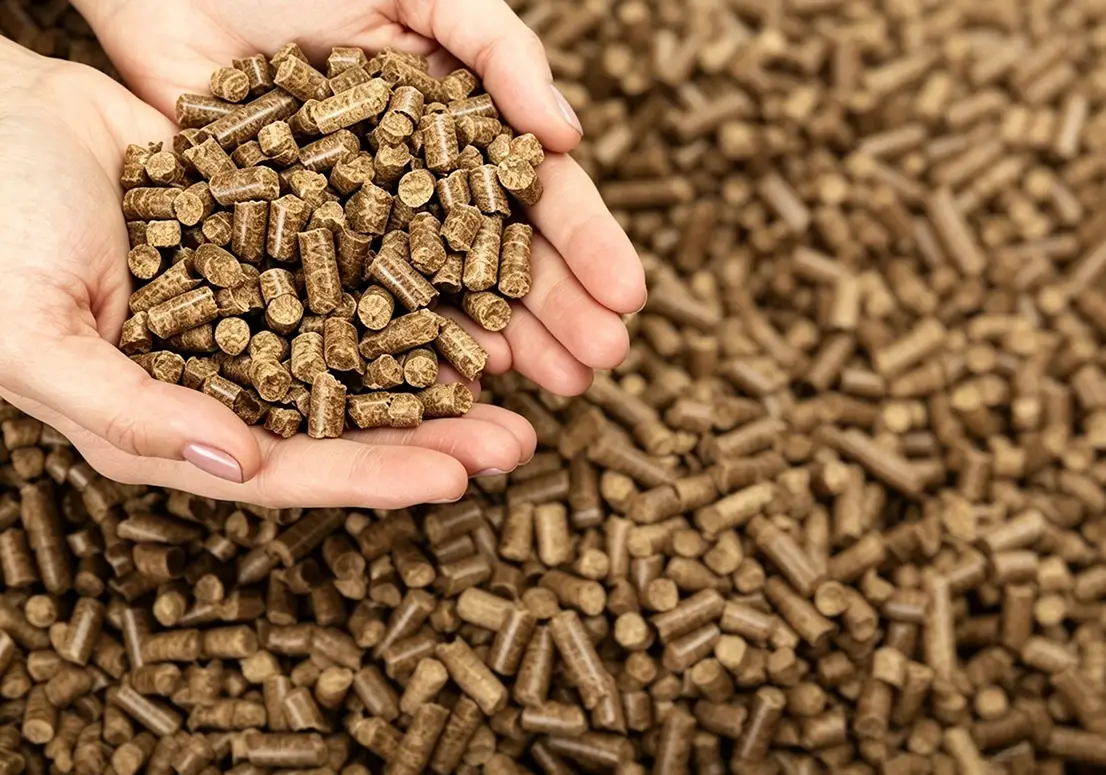
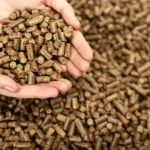
Among the many agricultural residues and energy crops available for pellet production, grass occupies a particularly attractive position. It is fast-growing, requires minimal inputs, and can be harvested multiple times per year. When processed through a grass pellet mill, it yields pellets with a heating value suitable for residential boilers, district heating plants, and industrial furnaces.
Grass pellets are also gaining traction as a high-fiber supplement in animal feed formulations, adding another revenue stream for producers. This dual-market potential makes investment in a grass pellet mill especially compelling for agribusinesses looking to diversify their income.
Understanding Grass Pellet Mill Design and Operation
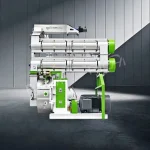
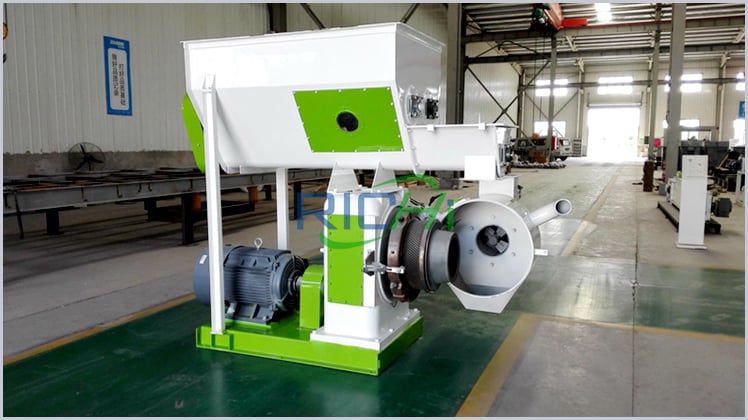
A grass pellet mill operates by forcing conditioned grass material through a perforated metal die under high pressure. The die geometry — hole diameter, channel length, and compression ratio — must be carefully matched to the specific grass species and particle size to achieve optimal pellet density and durability.
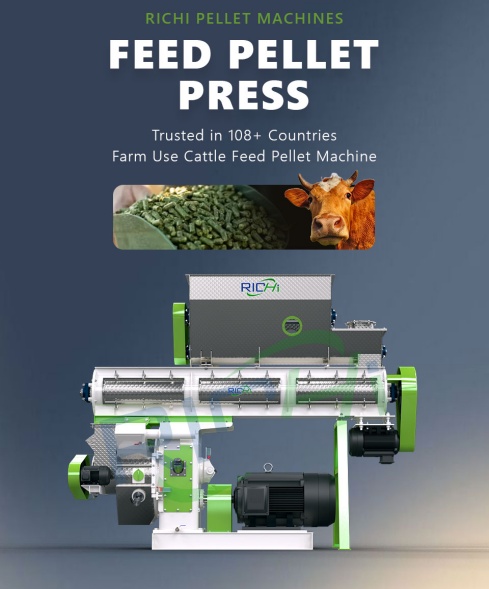
Flat die mills are popular for small-scale operations due to their lower cost and simpler maintenance requirements. Ring die mills, by contrast, are the industry standard for biomass pellet manufacturing at industrial scale, offering throughputs of 0.5 to 10+ tonnes per hour with excellent pellet quality consistency.
Biomass Pellet Manufacturing: Process Overview
Successful biomass pellet manufacturing begins long before the pellet press. Raw grass must be collected and pre-dried to a moisture content of 12–15%. Oversized particles are reduced by a hammer mill or cutting mill before conditioning with steam (optional) to activate natural binders. The conditioned material then enters the grass pellet mill, where pressure and temperature transform it into dense pellets.
After pelletization, the hot pellets pass through a counterflow cooler, where ambient air reduces their temperature and residual moisture. A vibrating screen then removes fines before the pellets are conveyed to bagging lines or bulk storage. The entire process is designed for continuous, high-throughput operation with minimal manual intervention.
Selecting the Right Pelletizer for Your Operation
The pelletizer is the most capital-intensive component of the production line, so selection requires careful analysis. Consider your target annual output, the available power supply (voltage, phase, frequency), the space constraints of your facility, and the level of automation you require.
Higher-end pelletizers feature stainless-steel components in the conditioning section, PLC-based control systems with remote monitoring capability, and quick-change die systems that reduce downtime during die replacement. These features add to the initial investment but pay dividends in operational efficiency and uptime over the machine’s lifecycle.
Expert Advice: Look Here for Verified Manufacturer Credentials
With hundreds of suppliers active in the global biomass equipment market, due diligence is essential. Look here — meaning, examine certifications (CE, ISO), export records, and client lists before shortlisting manufacturers. A supplier with a proven track record in biomass pellet manufacturing projects across multiple continents is more likely to deliver equipment that performs reliably in your specific conditions.
Request a factory visit, inspect quality control procedures on the production floor, and ask specifically about the after-sales team’s response time and spare parts logistics. The best grass pellet mill investment is one backed by a supplier committed to your long-term success.
https://www.richimanufacture.com/biomass-pellet-making-machine/