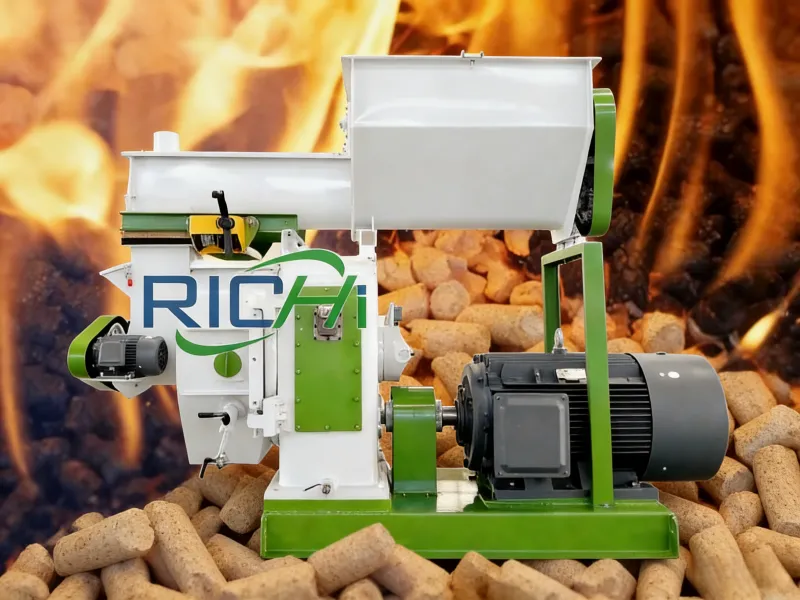
As renewable energy policies expand worldwide, wood pellets continue to gain recognition as a reliable biomass fuel. Behind every successful pellet plant is a carefully selected wood pellet machine, designed to meet both technical and economic requirements.
For investors and manufacturers alike, understanding how pellet machines influence production outcomes is essential before committing to a project.
(Related Post: https://biomasspelletizer.com/wood-pellet-machine/)
Why Pellet Quality Starts with the Machine
Pellet durability, density, and moisture stability are not accidents—they are the direct result of machine performance. A high-quality wood pellet machine applies uniform pressure across the die surface, ensuring consistent pellet formation.
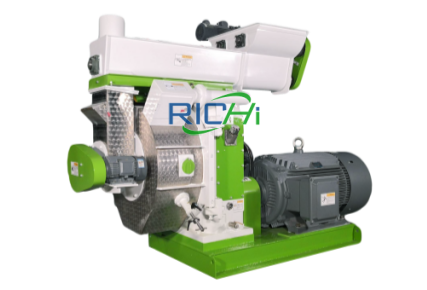
Machines with poor structural balance often suffer from vibration, uneven wear, and inconsistent output. Over time, these issues lead to higher downtime and rising maintenance costs, eroding profitability.
Medium-Scale Lines for Sustainable Growth
The industrial wood pellet machine production line solution is widely adopted by producers seeking steady expansion. It allows manufacturers to serve industrial clients without the risks associated with oversized facilities.
This capacity is also easier to integrate with existing wood processing plants, where residues are generated daily. By converting waste into pellets on-site, companies reduce transportation costs and improve resource utilization.
Technical Support and Knowledge Access
Beyond equipment itself, technical guidance plays a critical role. Proper installation, commissioning, and operator training ensure that machines perform as designed. Many producers underestimate this aspect, focusing only on machine specifications.
Reliable suppliers often publish technical explanations, operational tips, and real project data. These materials help buyers make informed decisions, and it is always worthwhile to visit this website that explain system optimization in detail.
Durability, Maintenance, and Lifecycle Value
A pellet machine is a long-term asset. Die steel quality, heat treatment processes, and bearing selection directly affect service life. Machines designed for easy maintenance reduce labor intensity and minimize production interruptions.
Manufacturers such as Richi Pelletizer emphasize lifecycle value rather than initial cost alone. Their approach aligns with the needs of producers who plan to operate continuously in competitive markets.
Final Thoughts
Selecting the right wood pellet machine is not simply a technical choice—it is a strategic investment decision. The right equipment supports stable production, flexible raw material use, and long-term cost control.
As biomass energy continues to grow, producers equipped with reliable pelletizing systems will be better positioned to adapt, expand, and succeed in the evolving renewable energy landscape.