



For decades, agricultural residues were often viewed as a disposal problem rather than a valuable resource. Farmers burned crop waste in fields, wood processing facilities accumulated mountains of sawdust, and many agricultural by-products ended up in landfills or were left to decompose naturally.
Today, this perspective is rapidly changing. Around the world, governments, energy companies, manufacturers, and agricultural businesses are discovering that biomass waste can become a stable and profitable energy resource when processed correctly.
The transformation of low-value residues into high-density fuel pellets has opened new opportunities for rural economies while supporting global sustainability goals. As energy prices fluctuate and industries seek alternatives to fossil fuels, biomass pellets are becoming an increasingly important part of the renewable energy landscape.
However, producing high-quality pellets consistently requires much more than simply collecting waste materials. Success depends on feedstock preparation, equipment selection, process optimization, and long-term operational planning.
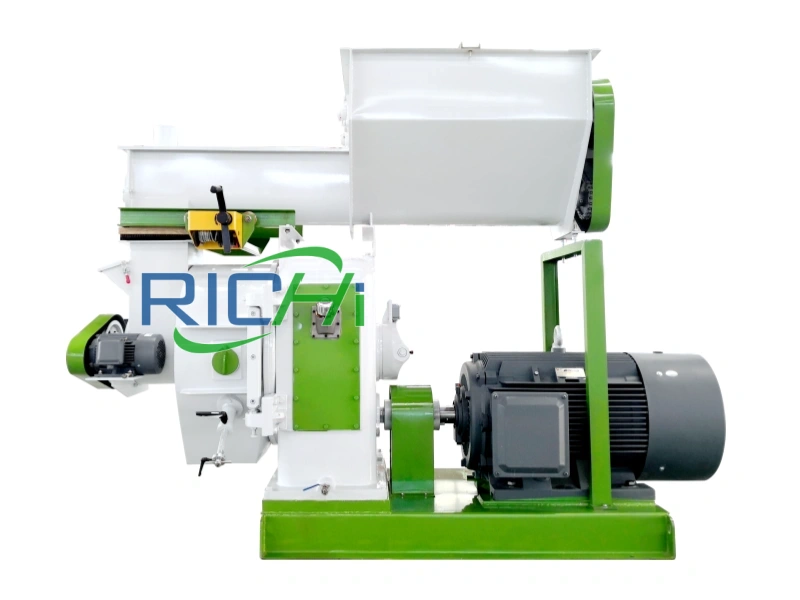
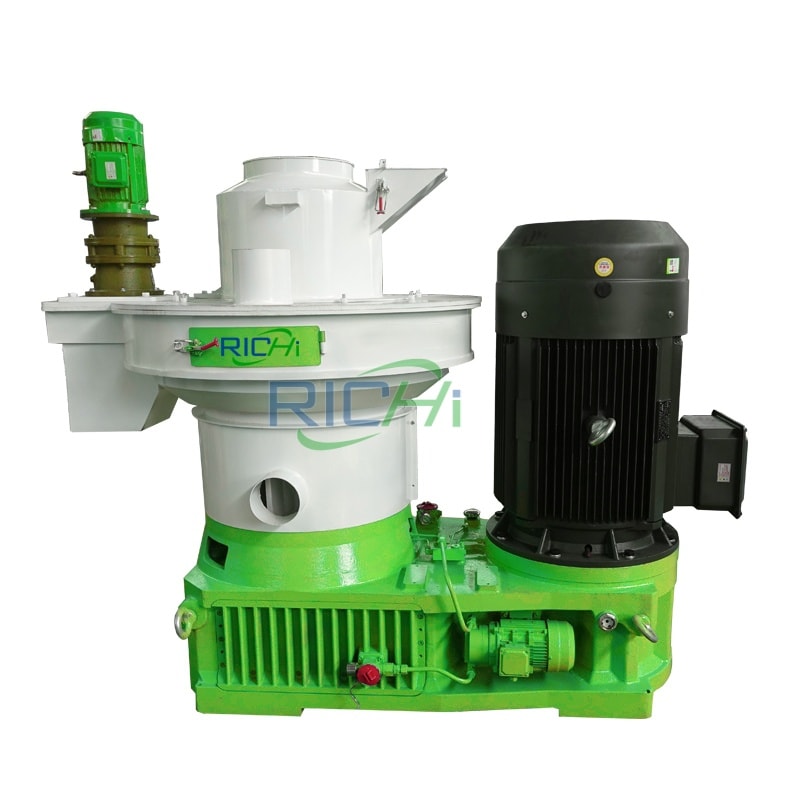
This is why many investors entering the biomass sector spend significant time evaluating technologies such as the Industrial Vertical Pellet Machine, which is designed to handle difficult biomass materials while maintaining stable pellet quality.
The Hidden Value Inside Agricultural Residues
Every year, enormous quantities of agricultural waste are generated worldwide.
Common examples include:
- Rice husks
- Wheat straw
- Corn stalks
- Cotton stalks
- Peanut shells
- Sugarcane bagasse
- Sunflower husks
- Palm residues
Many of these materials contain significant energy potential. When left untreated, they often create storage challenges, environmental concerns, or disposal expenses.
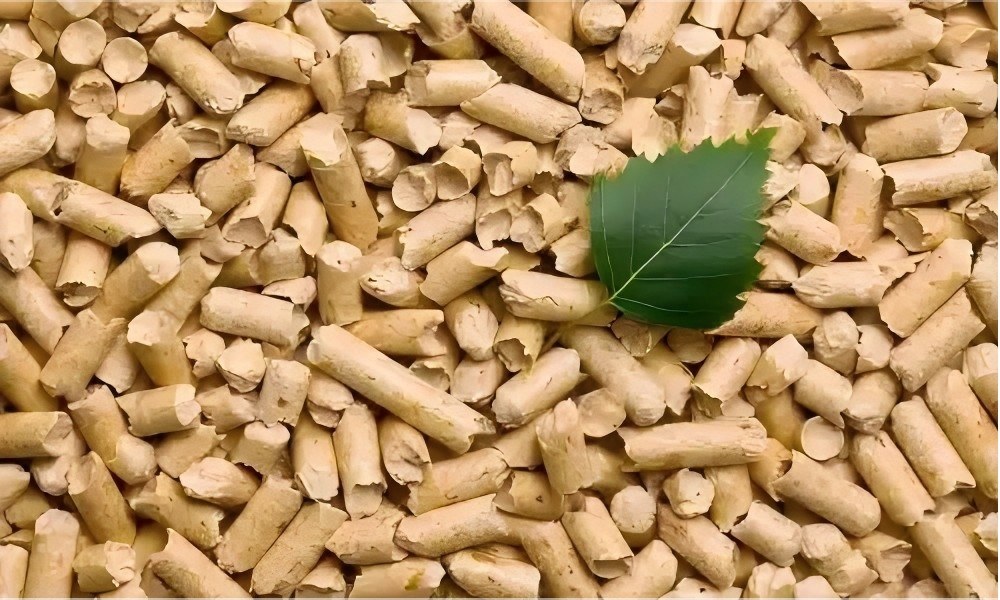
Pelletization changes this equation by converting loose biomass into a dense, uniform fuel that is easier to transport, store, and utilize.
The result is a product that offers practical benefits for industrial heating systems, power generation facilities, and commercial energy users.
Why Density Matters
One of the biggest challenges associated with raw biomass is its low bulk density.
Loose straw, sawdust, and agricultural residues occupy large amounts of storage space. Transportation costs can become prohibitively expensive when moving low-density materials over long distances.
Pelletization dramatically increases material density.
This improvement creates several advantages:
- Lower transportation costs
- Reduced storage requirements
- Improved combustion efficiency
- Easier material handling
- Better product consistency
These benefits explain why pellet production has become a preferred solution for biomass utilization in many regions.
Building a Stable Production Strategy
A successful biomass business requires more than good equipment.
Operators must develop a complete strategy that addresses:
Feedstock Supply
Reliable raw material sourcing is essential.
Seasonal agricultural residues may only be available during specific periods of the year. Many producers establish relationships with multiple suppliers to ensure year-round availability.
Material Preparation
Raw materials often require:
- Size reduction
- Drying
- Screening
- Mixing
Proper preparation improves pellet quality and reduces wear on equipment.
Production Planning
Facilities must balance production capacity with market demand.
Some operations focus on domestic heating markets, while others target industrial customers that require large volumes throughout the year.
Technology Continues to Evolve
Modern biomass processing technology has advanced significantly over the last decade.
Earlier pellet production systems often struggled with abrasive materials, inconsistent moisture levels, and fluctuating feedstock quality.
Today’s equipment incorporates improved designs that enhance production stability and component lifespan.
Many medium-scale producers choose systems such as the 2 tph vertical wood pellet machine because they provide sufficient production capacity while remaining manageable for growing businesses.
This production range is often ideal for regional pellet suppliers serving industrial customers and local heating markets.
Expanding Markets Beyond Heating Fuel
Although fuel pellets remain the largest biomass pellet segment, new applications continue to emerge.
These include:
Animal Bedding
Wood-based bedding pellets offer excellent absorbency and odor control.
They are widely used in:
- Horse farms
- Dairy operations
- Poultry facilities
- Pet care industries
Cat Litter Products
Natural wood pellets have become a popular alternative to traditional mineral-based cat litter.
Consumers appreciate their biodegradability and environmental benefits.
Organic Fertilizer Carriers
Pelletized biomass can serve as a carrier material in organic fertilizer production, creating additional revenue opportunities.
These diversified applications help reduce market risk by allowing producers to serve multiple customer groups.
Reducing Dependence on Fossil Fuels
Industries around the world are under increasing pressure to reduce carbon emissions.
Many facilities are exploring renewable energy solutions that can integrate with existing infrastructure.
Biomass pellets offer several advantages:
- Renewable resource base
- Lower net carbon emissions
- Compatibility with many combustion systems
- Established supply chains
- Scalable production capacity
As environmental regulations become stricter, demand for alternative fuels is expected to continue growing.
What Makes a Pellet Production Facility Competitive?
Competitive facilities typically share several characteristics.
Consistent Product Quality
Customers expect pellets with:
- Uniform size
- High density
- Low moisture content
- Stable combustion performance
Maintaining these characteristics requires effective process control.
Operational Reliability
Unexpected downtime can significantly reduce profitability.
Choosing a durable pellet press helps improve production continuity and reduce maintenance interruptions.
Efficient Resource Utilization
Successful producers maximize raw material conversion while minimizing waste and energy consumption.
Efficiency improvements often have a greater impact on profitability than increases in selling price.
The Importance of Manufacturer Support
Equipment performance depends not only on design but also on technical support.
Installation guidance, operator training, spare parts availability, and troubleshooting assistance all contribute to project success.
Businesses frequently evaluate suppliers based on:
- Industry experience
- Engineering capabilities
- Service networks
- Project references
- Production expertise
Strong supplier relationships can significantly reduce operational risks during facility startup and expansion.
Digitalization Is Transforming Biomass Processing
Advanced control systems are becoming increasingly common in pellet production facilities.
Modern plants may incorporate:
- Automated feeding controls
- Moisture monitoring systems
- Production tracking software
- Remote diagnostics
- Predictive maintenance tools
These technologies help operators improve efficiency while reducing labor requirements.
Data-driven decision-making is becoming a key competitive advantage throughout the biomass industry.
Future Trends in Biomass Utilization
Several trends are expected to shape the future of pellet production:
Increased Feedstock Diversity
Producers will continue exploring new biomass resources to improve supply flexibility.
Higher Automation Levels
Automation will reduce labor costs and improve product consistency.
Stronger Sustainability Requirements
Customers and regulators will place greater emphasis on environmental performance.
Global Market Expansion
Demand for renewable fuels is expected to grow across both developed and emerging economies.
Industry professionals seeking detailed technical information often review project studies and industry resources through platforms such as blog here, where operational experiences and technology developments are regularly discussed.
Conclusion
Agricultural waste is no longer simply a by-product of farming operations. With proper processing and strategic planning, it can become a valuable source of renewable energy and industrial raw materials.
As global demand for sustainable fuel solutions continues to increase, biomass pellet production offers promising opportunities for investors, manufacturers, and agricultural enterprises alike. By focusing on reliable feedstock supply, efficient operations, and appropriate technology selection, producers can build competitive businesses that contribute to both economic growth and environmental sustainability.
Related Post:https://pelletizerequipment.com/biomass-pellet-machine/