



Soil health is the foundation of productive agriculture. Without healthy soil, crops cannot grow efficiently, yields decline, and long-term agricultural sustainability becomes difficult to achieve. In recent years, organic fertilizer pellets have gained widespread attention as an effective solution for improving soil structure, fertility, and biological activity. Unlike chemical fertilizers that often degrade soil over time, organic fertilizer pellets restore natural balance and support long-term soil regeneration.
This article explains in detail why organic fertilizer pellets improve soil health, how they work in the soil system, and why production technologies such as the fertilizer pellet machine are essential for creating high-quality organic fertilizer products.
1. Understanding Soil Health and Its Importance
Soil health refers to the ability of soil to function as a living ecosystem that supports plants, animals, and microorganisms. Healthy soil provides nutrients, retains water, supports root growth, and maintains biological diversity.
1.1 Key Components of Soil Health
- Physical structure (texture, porosity, aeration)
- Chemical balance (pH, nutrients, salinity)
- Biological activity (microorganisms, earthworms, organic matter)
When any of these components are damaged, soil productivity declines.
1.2 Causes of Soil Degradation
- Excessive chemical fertilizer use
- Soil erosion
- Loss of organic matter
- Over-cultivation
- Pollution and salinization
Organic fertilizer pellets help reverse these problems by restoring organic matter and microbial balance.
2. What Are Organic Fertilizer Pellets?
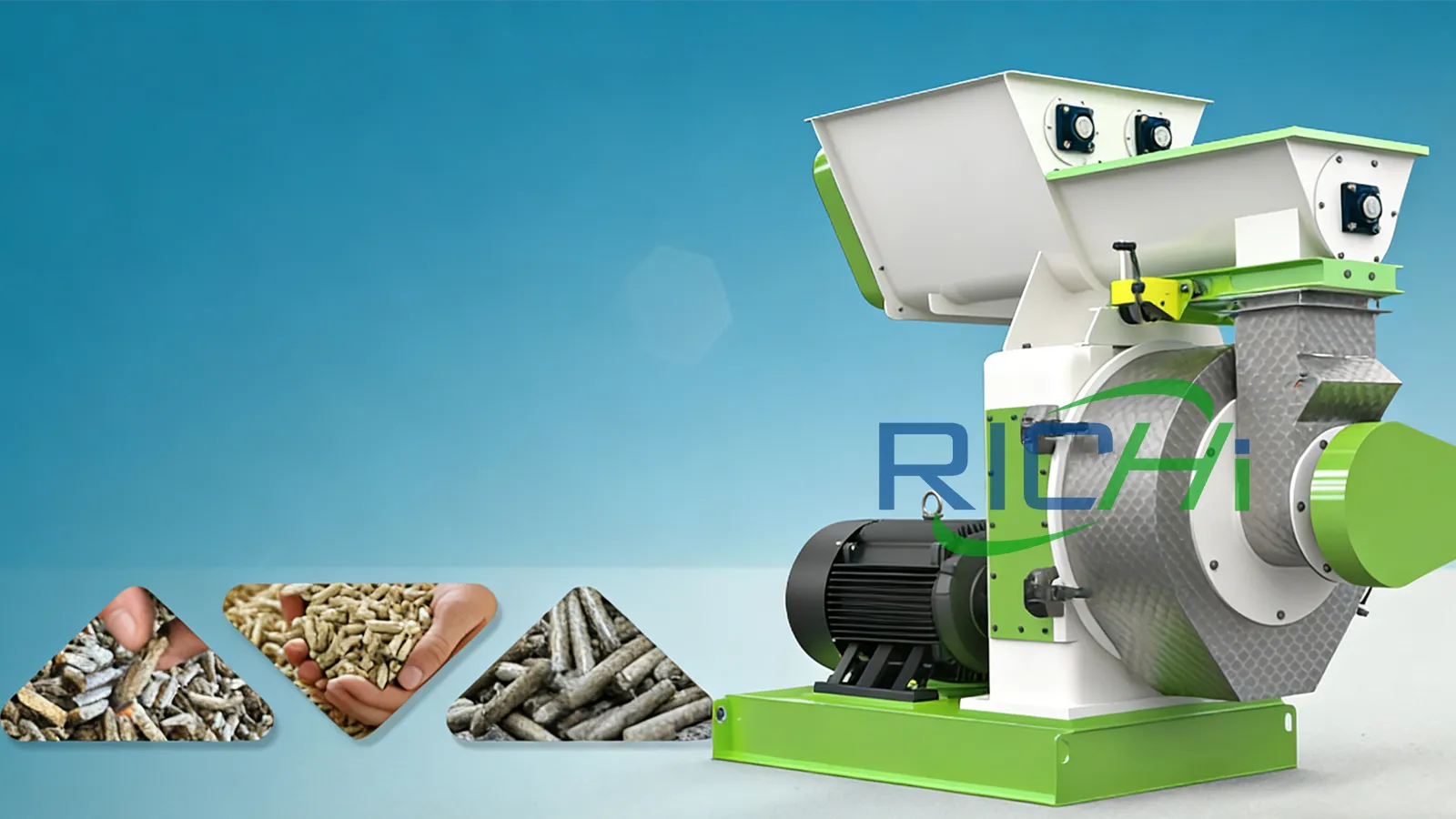
Organic fertilizer pellets are compact, solid forms of decomposed organic materials such as animal manure, crop residues, and organic waste. These materials are processed, fermented, and then shaped into uniform pellets using a fertilizer pellet machine.
https://richipelletizer.com/organic-fertilizer-pellet-machine
2.1 Common Raw Materials
- Cow manure
- Chicken manure
- Pig manure
- Crop straw and husks
- Food processing waste
2.2 Pellet Characteristics
- Uniform size and shape
- High organic matter content
- Slow-release nutrient structure
- Easy storage and transportation
These properties make them more efficient than raw compost.
3. Role of Fertilizer Pellet Machine in Production
The fertilizer pellet machine plays a crucial role in transforming loose organic materials into high-density pellets suitable for agricultural use.
3.1 How It Works
The machine applies mechanical pressure and friction to compress fermented organic materials into solid pellets. Depending on the design, it may use:
- Flat die extrusion
- Ring die compression
- Vertical pelletizing structure
3.2 Why Pelletization Matters
Without pelletization:
- Fertilizer is difficult to transport
- Nutrients are unevenly distributed
- Application is inefficient
With pelletization:
- Nutrients are stabilized
- Application becomes precise
- Soil absorption improves
Thus, the fertilizer pellet machine is essential for producing high-quality organic fertilizer.
4. How Organic Fertilizer Pellets Improve Soil Physical Structure
One of the most important benefits of organic fertilizer pellets is their ability to improve soil structure.
4.1 Improving Soil Aggregation
Organic matter in pellets binds soil particles together, forming stable aggregates. This improves:
- Soil porosity
- Water infiltration
- Root penetration
4.2 Reducing Soil Compaction
Repeated use of chemical fertilizers often leads to hard, compact soil. Organic pellets loosen soil and restore natural texture.
4.3 Enhancing Water Retention
Organic matter acts like a sponge, helping soil retain moisture. This is especially beneficial in dry regions where water conservation is critical.
5. Improving Soil Chemical Properties
Organic fertilizer pellets significantly enhance soil chemical balance.
5.1 Nutrient Supply
Pellets release essential nutrients slowly, including:
- Nitrogen (N)
- Phosphorus (P)
- Potassium (K)
- Trace minerals
Unlike chemical fertilizers, nutrients are released gradually, reducing leaching losses.
5.2 Balancing Soil pH
Many soils suffer from acidification due to excessive chemical fertilizer use. Organic pellets help buffer pH levels and restore balance.
5.3 Reducing Salt Accumulation
Chemical fertilizers often increase soil salinity. Organic pellets reduce this risk by improving soil structure and microbial activity.
6. Enhancing Soil Biological Activity
Soil is a living ecosystem filled with microorganisms. Organic fertilizer pellets play a vital role in supporting this biological life.
6.1 Microbial Growth
Organic matter in pellets provides food for beneficial bacteria and fungi. These microorganisms:
- Decompose organic matter
- Release nutrients
- Improve soil fertility
6.2 Earthworm Activity
Earthworms thrive in organic-rich soil. Their activity:
- Improves soil aeration
- Enhances nutrient cycling
- Creates natural channels for roots
6.3 Enzyme Production
Microorganisms produce enzymes that break down nutrients into plant-available forms.
7. Slow-Release Nutrient Mechanism
One of the key advantages of organic fertilizer pellets is their slow-release behavior.
7.1 How Slow Release Works
As pellets break down in soil:
- Organic matter decomposes gradually
- Nutrients are released over time
- Plants absorb nutrients consistently
7.2 Benefits of Slow Release
- Prevents nutrient leaching
- Reduces fertilizer waste
- Provides long-term nourishment
- Improves crop efficiency
This is a major advantage over chemical fertilizers that release nutrients too quickly.
8. Reducing Soil Pollution and Environmental Impact
Organic fertilizer pellets are environmentally friendly and help reduce soil pollution.
8.1 Recycling Organic Waste
Materials such as manure and crop residues are converted into valuable fertilizer instead of being discarded.
8.2 Reducing Chemical Dependency
Less chemical fertilizer use leads to:
- Lower soil toxicity
- Reduced groundwater contamination
- Improved ecosystem balance
8.3 Carbon Sequestration
Organic matter helps store carbon in soil, contributing to climate change mitigation.
9. Improving Crop Yield and Quality
Healthy soil leads directly to better agricultural production.
9.1 Higher Crop Yields
Improved soil fertility results in:
- Stronger root systems
- Better nutrient uptake
- Increased plant growth
9.2 Better Crop Quality
Crops grown in organic-rich soil often have:
- Improved taste
- Higher nutritional value
- Longer shelf life
9.3 Disease Resistance
Healthy soil ecosystems support stronger plants that are more resistant to pests and diseases.
10. Application Efficiency of Pellet Form Fertilizer
Compared to traditional compost, pelletized fertilizer offers superior usability.
10.1 Easy Application
Pellets can be applied using:
- Fertilizer spreaders
- Manual application
- Irrigation systems (after processing)
10.2 Uniform Distribution
The consistent size produced by a fertilizer pellet machine ensures even nutrient distribution across farmland.
10.3 Reduced Waste
Pellet form reduces dust loss and nutrient evaporation.
11. Economic Benefits of Organic Fertilizer Pellets
In addition to improving soil health, organic fertilizer pellets also provide economic advantages.
11.1 Lower Input Costs
Raw materials are often agricultural waste, reducing production costs.
11.2 Long-Term Soil Productivity
Healthier soil reduces the need for frequent fertilization.
11.3 Market Demand
Organic farming markets are expanding globally, increasing demand for organic fertilizers.
12. Role of Fertilizer Pellet Machine in Soil Health Improvement Chain
The fertilizer pellet machine is not just a production tool—it is a key link in the soil health improvement chain.
12.1 Ensuring Quality Consistency
It ensures that every pellet contains uniform nutrients.
12.2 Enhancing Efficiency
It improves production speed and reduces labor requirements.
12.3 Supporting Sustainable Agriculture
By enabling large-scale production of organic fertilizers, it indirectly supports global soil restoration efforts.
13. Comparison Between Organic Pellets and Chemical Fertilizers
| Feature | Organic Fertilizer Pellets | Chemical Fertilizers |
|---|---|---|
| Nutrient Release | Slow and steady | Fast and short-term |
| Soil Impact | Improves soil health | Degrades soil over time |
| Environmental Effect | Eco-friendly | Pollution risk |
| Microbial Activity | Enhances life | Reduces biodiversity |
| Long-term Productivity | Sustainable | Declining |
This comparison clearly shows why organic pellets are superior for long-term soil health.
14. Challenges in Using Organic Fertilizer Pellets
Despite their advantages, there are some challenges:
14.1 Longer Nutrient Release Time
Farmers must plan fertilization schedules carefully.
14.2 Initial Production Investment
Setting up a production line with a fertilizer pellet machine requires capital investment.
14.3 Quality Control
Raw material variation can affect pellet consistency.
However, these challenges can be managed with proper technology and management.
15. Future of Soil Health Management with Organic Pellets
The future of agriculture is moving toward sustainability and soil regeneration.
15.1 Smart Agriculture Integration
Organic fertilizer application will be combined with:
- Precision farming
- Soil sensors
- Automated fertilization systems
15.2 Advanced Fertilizer Pellet Machine Technology
Future machines will offer:
- Higher efficiency
- Lower energy consumption
- Smart monitoring systems
15.3 Global Shift Toward Organic Farming
Governments and farmers worldwide are adopting organic fertilizers to restore soil health.
Conclusion
Organic fertilizer pellets play a crucial role in improving soil health by enhancing physical structure, chemical balance, and biological activity. They provide a slow-release nutrient system that supports sustainable agriculture while reducing environmental damage.
At the center of this process is the fertilizer pellet machine, which transforms organic waste into high-quality pellets that are easy to apply and highly effective in restoring soil fertility.
As global agriculture continues to face challenges such as soil degradation and climate change, organic fertilizer pellets offer a practical and sustainable solution for long-term soil restoration and food security.