



The global energy landscape is undergoing a significant transformation. Governments, industries, and consumers are increasingly seeking sustainable alternatives to fossil fuels as concerns about climate change, energy security, and environmental protection continue to grow. Among the many renewable energy solutions available today, biomass pelletizing has emerged as one of the most practical and rapidly expanding sectors.
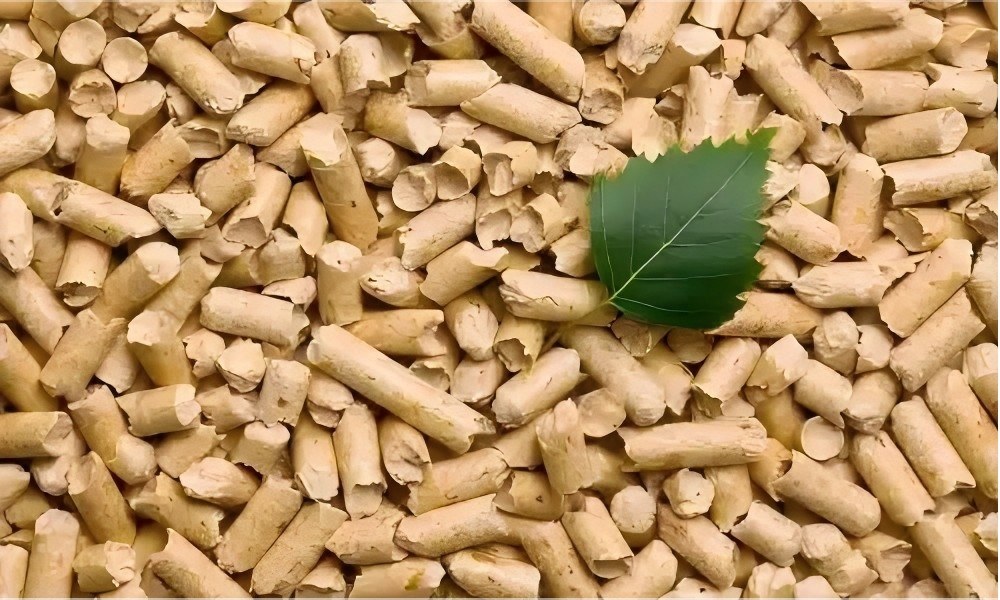
Biomass pellets are compressed fuel products made from organic materials such as wood residues, agricultural waste, forestry by-products, and energy crops. These pellets provide a renewable, efficient, and environmentally friendly source of energy for residential heating, industrial boilers, and power generation facilities. As a result, biomass pellet production has gained remarkable popularity across the world.
Several factors contribute to this growing trend, including increasing renewable energy policies, improved pelletizing technology, abundant biomass resources, and rising demand for sustainable fuel alternatives. Advanced equipment such as the vertical biomass pellet production line has further accelerated industry growth by improving pellet quality, production efficiency, and operational reliability.
The Global Shift Toward Renewable Energy
One of the primary reasons biomass pelletizing is becoming more popular is the worldwide transition toward renewable energy.
Many countries have established ambitious goals to reduce greenhouse gas emissions and achieve carbon neutrality. To meet these targets, governments are encouraging the use of renewable energy sources such as:
- Solar power
- Wind energy
- Hydropower
- Geothermal energy
- Biomass energy
Unlike solar and wind energy, biomass offers the advantage of being a dispatchable energy source. Biomass fuel can be stored and used whenever energy is needed, making it a reliable complement to intermittent renewable sources.
Pelletized biomass provides an efficient way to utilize renewable organic materials while supporting long-term sustainability goals.
Growing Concerns About Climate Change
Climate change has become one of the most pressing global challenges.
The combustion of fossil fuels releases large amounts of carbon dioxide into the atmosphere, contributing to global warming. As governments implement stricter environmental regulations, industries are actively searching for cleaner fuel alternatives.
Biomass pellets help reduce dependence on fossil fuels because they are produced from renewable organic materials that absorb carbon dioxide during growth. While biomass combustion releases carbon, the overall carbon cycle is generally considered more balanced than that of fossil fuels.
This environmental benefit has significantly increased interest in biomass pellet production worldwide.
Efficient Utilization of Biomass Waste
Every year, enormous quantities of biomass residues are generated through agricultural, forestry, and industrial activities.
Examples include:
- Sawdust
- Wood chips
- Rice husks
- Wheat straw
- Corn stalks
- Sugarcane bagasse
- Palm fiber
- Forestry residues
Traditionally, much of this material was discarded, burned in open fields, or left to decompose.
Biomass pelletizing transforms these waste materials into valuable energy products. This approach not only reduces waste disposal challenges but also creates an additional source of renewable energy.
The ability to convert low-value waste into marketable fuel is one of the strongest drivers behind the industry’s growth.
Rising Demand for Sustainable Heating Solutions
In many regions, households and businesses are seeking cleaner heating alternatives.
Biomass pellets offer several advantages for heating applications:
- High energy density
- Consistent fuel quality
- Easy storage
- Automated feeding systems
- Lower emissions compared to coal
Residential pellet stoves and commercial pellet boilers have become increasingly popular, especially in regions with strong environmental policies.
As demand for renewable heating solutions continues to rise, biomass pellet production is expanding to meet market needs.
Increasing Industrial Adoption
Industries consume vast amounts of thermal energy, traditionally generated through coal, oil, or natural gas.
Today, many companies are replacing fossil fuels with biomass pellets to reduce carbon emissions and comply with environmental regulations.
Industries utilizing biomass pellets include:
- Food processing
- Textile manufacturing
- Cement production
- Paper mills
- Chemical processing
The growing industrial demand for renewable fuels has become a major factor supporting the expansion of biomass pelletizing facilities.
Improved Pelletizing Technology
Technological advancements have greatly improved the efficiency and profitability of pellet production.
Modern pellet plants utilize advanced systems for:
- Raw material preparation
- Moisture control
- Grinding
- Pellet formation
- Cooling
- Packaging
These improvements have increased production capacity while reducing operating costs.
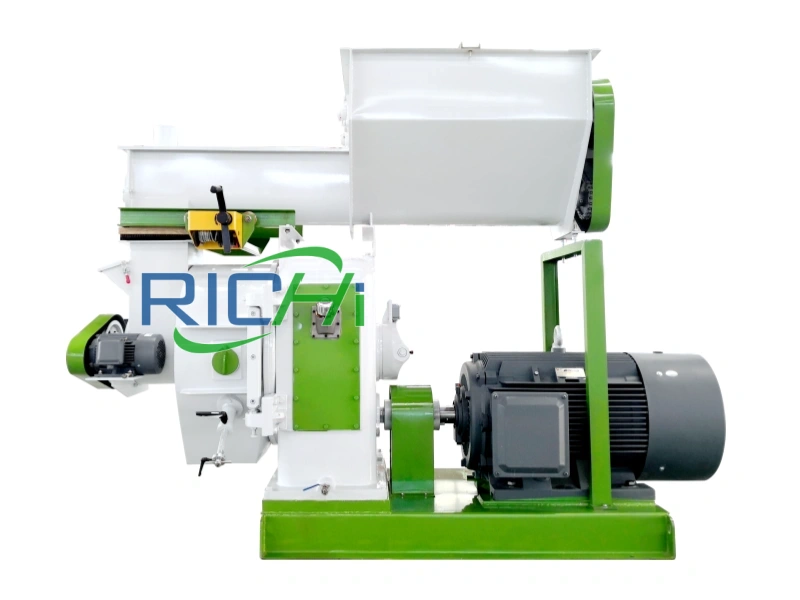
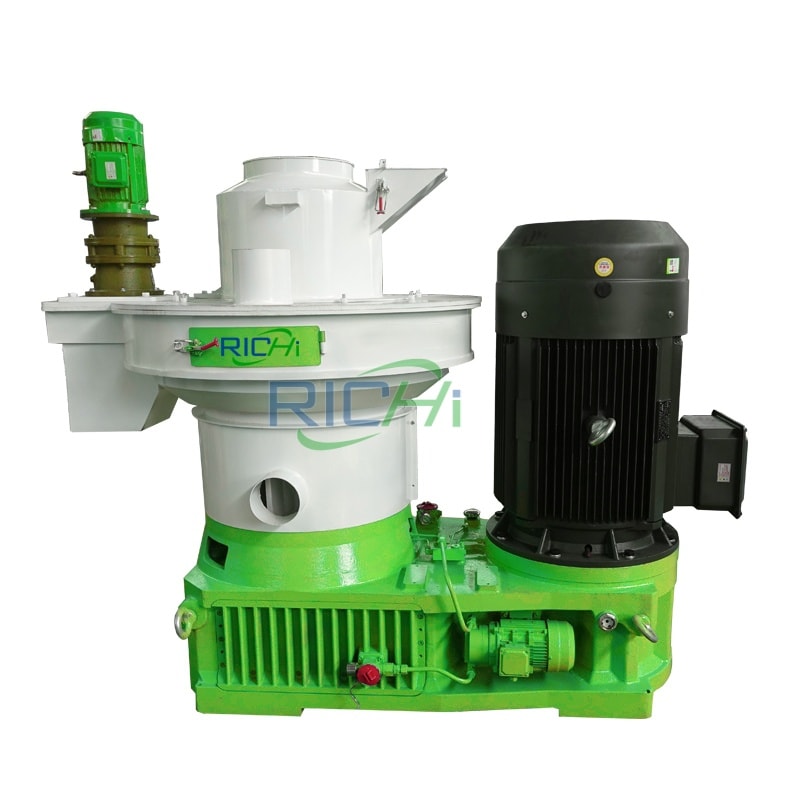
One of the most important developments has been the introduction of the vertical biomass pellet production line, which offers significant advantages over traditional pelletizing systems.
https://pelletisingmachine.com/vertical-biomass-pellet-mill
Advantages of the Vertical Biomass Pellet Production Line
The vertical biomass pellet production line has become increasingly popular among pellet manufacturers due to its efficiency and flexibility.
Enhanced Material Flow
The vertical design allows gravity to assist material movement through the pelletizing chamber. This improves feeding consistency and reduces the risk of material blockage.
Higher Production Efficiency
Vertical systems often achieve greater production capacity while maintaining stable pellet quality.
Better Pellet Durability
Consistent pressure distribution results in stronger, denser pellets with improved durability during transportation and storage.
Reduced Equipment Wear
The design helps distribute mechanical loads more evenly, extending component lifespan and lowering maintenance costs.
Greater Feedstock Flexibility
A vertical biomass pellet production line can process a wide range of biomass materials, including agricultural residues and forestry waste.
These advantages make vertical pelletizing systems attractive investments for both new and established pellet producers.
Government Incentives and Support
Government policies have played a major role in promoting biomass pellet production.
Many countries provide incentives such as:
- Renewable energy subsidies
- Tax credits
- Carbon reduction programs
- Renewable fuel standards
- Green energy grants
These policies encourage businesses to invest in biomass energy infrastructure and pellet production facilities.
Supportive regulatory environments have significantly contributed to the growing popularity of biomass pelletizing worldwide.
Improved Energy Security
Energy security has become an increasingly important concern for many nations.
Dependence on imported fossil fuels can expose countries to:
- Price volatility
- Supply disruptions
- Geopolitical risks
Biomass pellets can be produced using locally available resources, reducing reliance on imported energy sources.
By utilizing domestic agricultural and forestry residues, countries can strengthen their energy independence while supporting local economies.
This strategic advantage further increases interest in biomass pellet production.
Growth of International Pellet Markets
The global trade of biomass pellets has expanded rapidly over the past decade.
Major pellet-exporting regions supply renewable fuel to countries seeking to reduce coal consumption and meet climate targets.
International demand continues to grow because biomass pellets offer:
- Standardized fuel quality
- Efficient transportation
- Reliable energy performance
- Compatibility with existing energy infrastructure
The development of global pellet markets has created new business opportunities and encouraged investment in pelletizing facilities.
Economic Benefits for Farmers
Agricultural producers are increasingly recognizing the economic value of biomass residues.
Instead of treating crop residues as waste, farmers can sell materials such as:
- Wheat straw
- Rice straw
- Corn stalks
- Cotton stalks
- Peanut shells
to pellet manufacturers.
This additional income source improves farm profitability while promoting sustainable resource utilization.
The economic benefits for rural communities are an important factor behind the expansion of biomass pellet industries. (go to website)
Reduced Environmental Pollution
Open-field burning of agricultural residues remains a significant environmental issue in many regions.
Burning crop waste contributes to:
- Air pollution
- Greenhouse gas emissions
- Reduced visibility
- Public health concerns
Biomass pelletizing offers a practical alternative by converting agricultural residues into useful fuel products.
This reduces environmental pollution while creating renewable energy resources.
As environmental awareness increases, more governments and businesses are supporting biomass utilization initiatives.
High Energy Density and Transportation Efficiency
Raw biomass materials are often bulky and difficult to transport economically.
Pelletizing greatly increases bulk density, resulting in:
- Lower transportation costs
- Reduced storage requirements
- Improved logistics efficiency
- Easier handling
These benefits make biomass pellets far more practical than untreated biomass materials.
Improved transportation economics have played a key role in expanding pellet markets both domestically and internationally.
Advancements in Automation
Modern pellet plants increasingly incorporate automation technologies.
Automated systems help manage:
- Feedstock preparation
- Moisture monitoring
- Production control
- Quality inspection
- Packaging operations
Automation improves consistency while reducing labor requirements and operational costs.
Many new facilities featuring a vertical biomass pellet production line integrate advanced control systems to maximize efficiency and profitability.
Support for Circular Economy Principles
The circular economy emphasizes resource efficiency and waste reduction.
Biomass pelletizing aligns perfectly with these principles by converting waste materials into valuable products.
Rather than discarding agricultural and forestry residues, pellet production creates a sustainable pathway for resource utilization.
This approach supports:
- Waste minimization
- Renewable energy generation
- Carbon reduction
- Sustainable economic development
The growing focus on circular economy strategies has increased interest in biomass pellet production across multiple industries.
Expanding Applications of Biomass Pellets
Biomass pellets are now used in a wide variety of applications.
These include:
Residential Heating
Pellet stoves and boilers provide efficient home heating solutions.
Commercial Buildings
Schools, hospitals, and office buildings increasingly utilize biomass heating systems.
Industrial Boilers
Manufacturing facilities use biomass pellets to generate process heat.
Power Generation
Dedicated biomass power plants and co-firing facilities consume large quantities of pellets.
Combined Heat and Power Systems
CHP plants utilize biomass pellets to produce both electricity and useful heat.
The diversity of applications continues to drive market growth.
Long-Term Sustainability
Unlike fossil fuels, biomass resources can be replenished through sustainable management practices.
Responsible harvesting and cultivation help ensure continuous biomass availability.
When combined with efficient pellet production technologies such as the vertical biomass pellet production line, biomass energy becomes a viable long-term renewable energy solution.
Sustainability considerations are increasingly influencing energy investment decisions, making biomass pelletizing more attractive to businesses and governments alike.
Future Outlook for Biomass Pelletizing
The future of biomass pelletizing appears highly promising.
Several trends are expected to support continued growth:
- Increasing renewable energy targets
- Expanding carbon reduction policies
- Rising fossil fuel costs
- Improved pellet production technologies
- Growing international pellet trade
- Greater emphasis on waste utilization
As these factors continue to evolve, biomass pellets are likely to play an increasingly important role in the global energy mix.
Conclusion
Biomass pelletizing is growing in popularity because it addresses multiple global challenges simultaneously. It provides a renewable alternative to fossil fuels, reduces waste, supports rural economies, improves energy security, and contributes to carbon reduction efforts.
Advancements in production technology, particularly the development of the vertical biomass pellet production line, have significantly improved pellet manufacturing efficiency and quality. These innovations enable producers to process a wide range of biomass materials while maintaining cost-effective operations.
As governments, industries, and consumers continue to pursue sustainable energy solutions, biomass pelletizing is expected to remain one of the fastest-growing sectors within the renewable energy industry. By transforming organic waste into valuable fuel, biomass pellet production demonstrates how environmental responsibility and economic opportunity can successfully work together to build a cleaner and more sustainable future.