


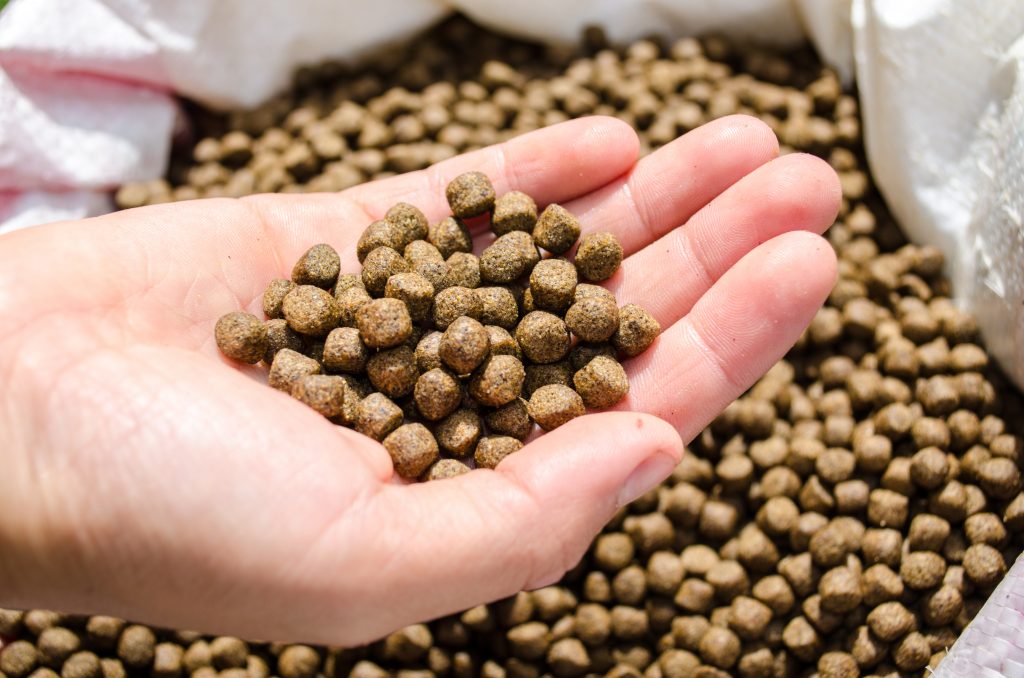
Introduction: The Growing Market Demand for Aquatic Feed
Aquaculture has become one of the most rapidly developing sectors in the global food industry. With the continuous growth of the world population and increasing demand for high-quality aquatic products, fish farming, shrimp farming, and other aquaculture activities are expanding at an unprecedented rate. This growth has created a strong and stable demand for high-quality aquatic feed.
Feed is the foundation of modern aquaculture. Whether producing freshwater fish, marine fish, or shrimp, farmers rely on professionally formulated feed to provide balanced nutrition, improve growth performance, and achieve efficient production. As aquaculture becomes more intensive and commercialized, traditional feeding methods can no longer meet the requirements of large-scale farming systems.
Modern aquatic feed production addresses these challenges by providing scientifically formulated and efficiently processed feed products. Through advanced manufacturing technology, feed producers can create pellets with improved digestibility, stable physical properties, and better feeding efficiency.
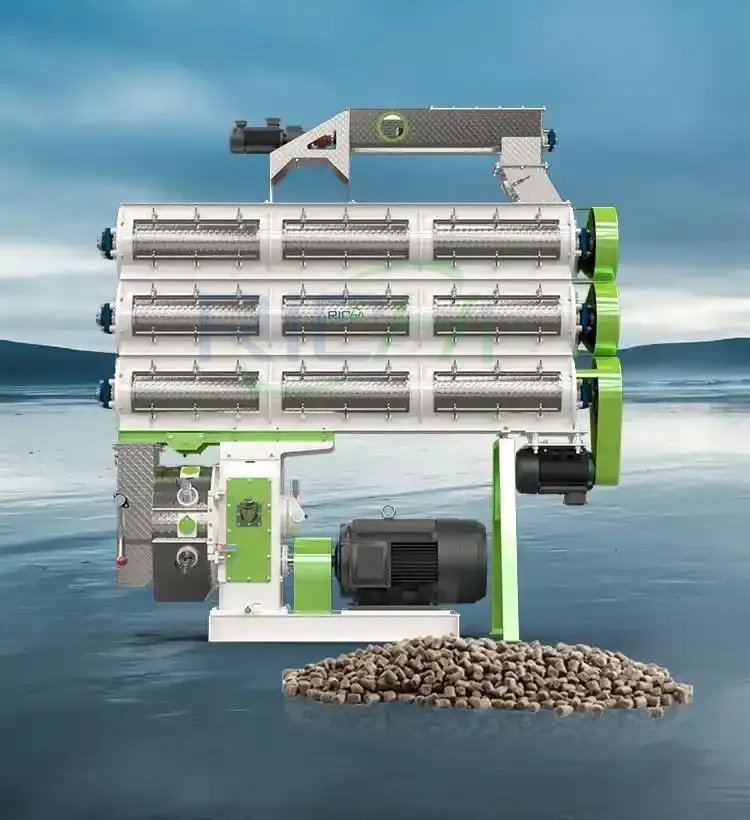
The increasing market demand for floating feed, in particular, has encouraged feed manufacturers to adopt advanced extrusion technologies. An industrial wet type floating fish feed extruder has become an essential piece of equipment for large-scale aquatic feed production because it enables manufacturers to produce high-quality floating pellets with consistent performance, excellent water stability, and flexible production capacity.
By investing in modern aquatic feed production systems, manufacturers can better respond to changing market needs, support the expansion of aquaculture, and create long-term business opportunities.
The Expansion of Aquaculture Drives Demand for High-Quality Feed
The rapid development of aquaculture is the primary factor behind the increasing demand for aquatic feed. As wild fish resources face environmental limitations, aquaculture has become an important alternative source of aquatic protein.
Commercial fish farms require reliable feed supplies throughout the entire production cycle. Unlike traditional farming methods that depend on natural food sources, intensive aquaculture relies on formulated feed to ensure consistent nutrition and predictable growth.
The growing aquaculture market creates demand for different types of feed products, including:
- Floating fish feed
- Shrimp feed
- Sinking aquatic feed
- Juvenile fish feed
- Specialty feeds for high-value species
Feed manufacturers must continuously improve their production capabilities to meet the needs of diverse customers.
A modern aquatic feed factory provides more than basic feed products. It delivers customized nutritional solutions that help farmers improve:
- Growth speed
- Feed conversion ratio
- Survival rate
- Production efficiency
As the aquaculture industry expands, the role of professional feed production becomes increasingly important.
Scientific Feed Formulation Meets Diverse Customer Requirements
One of the key ways aquatic feed production meets market demand is through scientific feed formulation.
Different aquatic species have different nutritional requirements. A feed formula designed for one species may not provide optimal results for another. Therefore, modern manufacturers develop specialized formulas based on:
- Species characteristics
- Growth stage
- Farming environment
- Feeding habits
- Production goals
A high-quality aquatic feed formula typically includes:
Protein Sources
Protein supports muscle development and growth. Common sources include:
- Fish meal
- Soybean meal
- Plant proteins
Energy Sources
Carbohydrates and fats provide energy for metabolism and daily activities.
Vitamins and Minerals
Micronutrients support immunity, bone development, and overall health.
Through precise formulation, feed manufacturers can provide products that match the specific requirements of different markets.
This flexibility allows feed companies to serve a wide range of customers, from small farms to large commercial aquaculture enterprises.
Advanced Processing Technology Improves Feed Quality
Meeting market demand requires not only sufficient production capacity but also consistent product quality. Modern processing technology plays a critical role in achieving this goal.
Aquatic feed production involves several important stages:
- Raw material cleaning
- Grinding
- Mixing
- Conditioning
- Extrusion
- Drying
- Cooling
- Packaging
Each stage affects the final quality of feed pellets.
Advanced processing improves:
- Nutrient utilization
- Pellet durability
- Water stability
- Floating performance
Among these processes, extrusion is particularly important because it determines the physical structure and feeding characteristics of aquatic feed.
The Role of an Industrial Wet Type Floating Fish Feed Extruder in Large-Scale Production
As market demand for floating feed continues to grow, commercial feed manufacturers require reliable equipment capable of producing large quantities of consistent products.
An industrial wet type floating fish feed extruder is designed specifically for large-scale aquatic feed production. It uses moisture, heat, and mechanical pressure to process feed materials into floating pellets with excellent physical characteristics.
https://richipelletizer.com/floating-fish-feed-extruder-machine
This type of equipment provides several advantages:
High Production Capacity
Industrial extrusion systems are designed for continuous operation and can meet the requirements of large feed factories.
Superior Pellet Quality
The extrusion process creates pellets with:
- Uniform size
- Stable structure
- Good water resistance
- Controlled floating ability
Better Nutrient Utilization
Extrusion improves starch gelatinization and enhances digestibility, allowing aquatic animals to absorb nutrients more efficiently.
Flexible Product Development
Manufacturers can adjust processing parameters to produce different pellet sizes and feed types.
By using industrial extrusion technology, feed producers can respond quickly to increasing market demand while maintaining stable product quality.
Floating Feed Meets the Needs of Modern Fish Farms
Floating feed has become increasingly popular because it provides advantages that match the requirements of modern aquaculture.
One of the biggest benefits is improved feeding management.
Because floating pellets remain visible on the water surface, farmers can easily observe:
- Fish feeding activity
- Feed consumption
- Feeding speed
- Remaining feed quantity
This helps farmers avoid overfeeding and reduce feed waste.
Floating feed also supports better farm management by allowing farmers to identify potential problems early. Changes in feeding behavior may indicate:
- Poor water conditions
- Health problems
- Environmental stress
By improving feeding control, floating feed helps farmers achieve higher production efficiency.
Reducing Feed Waste Helps Meet Economic Demand
The aquaculture market is not only focused on production volume but also on cost efficiency. Feed represents a major operating expense, so reducing waste is essential.
Poor-quality feed may result in:
- Nutrient loss
- Low feed conversion efficiency
- Increased production costs
Modern aquatic feed production reduces these problems through improved pellet technology.
High-quality floating feed offers:
- Better water stability
- Lower nutrient leakage
- Longer feeding time
- Higher utilization efficiency
The use of an industrial wet type floating fish feed extruder allows manufacturers to produce pellets that maintain their structure in water while providing sufficient time for fish consumption.
This helps farmers reduce unnecessary feed expenses and improve profitability. (Learn more about wet type fish feed extruder machine)
Supporting the Growth of Commercial Aquaculture Farms
Large-scale aquaculture farms require reliable suppliers capable of providing consistent feed quality and stable production capacity.
Modern aquatic feed production supports commercial farming by providing:
- Large-volume supply
- Customized feed solutions
- Stable nutritional performance
- Reliable product quality
For industrial fish farms, feed consistency is essential because fluctuations in feed quality can directly affect growth performance and production schedules.
Professional feed manufacturers with advanced production systems can become long-term partners for aquaculture companies.
Automation Helps Manufacturers Respond to Increasing Demand
As market demand grows, feed manufacturers must increase production efficiency while controlling costs.
Automation provides an effective solution by improving production management.
Modern aquatic feed factories may include automated systems for:
- Ingredient weighing
- Material transportation
- Production monitoring
- Packaging
The benefits include:
Higher Output
Automated systems allow continuous production.
Lower Labor Costs
Less manual operation is required.
Better Consistency
Production parameters remain stable.
Faster Response to Market Changes
Factories can adjust production according to customer demand.
Automation enables feed companies to expand their market presence and compete more effectively.
Quality Control Ensures Customer Satisfaction
Meeting market demand requires more than producing large quantities of feed. Customers also expect reliable quality.
A professional aquatic feed production system includes strict quality control throughout the manufacturing process.
Important quality checks include:
Raw Material Inspection
Ensuring ingredient safety and nutritional consistency.
Production Monitoring
Controlling:
- Temperature
- Moisture
- Pressure
- Processing time
Finished Product Testing
Evaluating:
- Pellet size
- Floating time
- Water stability
- Nutritional composition
Quality control helps manufacturers maintain customer trust and build a strong market reputation.
Sustainable Feed Production Meets Future Market Requirements
The future of aquaculture depends on sustainable production methods. Consumers and businesses are increasingly concerned about environmental impacts and resource efficiency.
Modern aquatic feed production supports sustainability by:
- Improving feed conversion efficiency
- Reducing waste
- Optimizing ingredient use
- Lowering environmental pollution
Advanced extrusion technology also allows manufacturers to explore alternative ingredients, including plant-based proteins and agricultural by-products.
By producing more efficient feed, the aquaculture industry can increase output while reducing resource consumption. (click to find out more)
Expanding Market Opportunities Through Customized Feed Solutions
Market demand is becoming increasingly diverse. Different regions, species, and farming systems require different feed products.
Aquatic feed manufacturers can expand their business by offering customized solutions.
Examples include:
Regional Feed Products
Formulas can be adjusted according to locally available ingredients and farming conditions.
Species-Specific Feed
Manufacturers can develop products for:
- Tilapia
- Carp
- Catfish
- Shrimp
- Trout
Growth-Stage Feed
Different pellet sizes and formulas can be produced for juvenile and adult animals.
Customization helps manufacturers reach more customers and create additional market opportunities. (go to website: Richi Pelletizer)
Future Trends in Aquatic Feed Production
The aquatic feed industry will continue evolving to meet future market demand.
Major trends include:
- Intelligent feed factories
- Automated production systems
- Sustainable ingredients
- Improved extrusion technology
- Precision nutrition
Equipment such as the industrial wet type floating fish feed extruder will continue playing an important role in supporting high-volume production and improving feed performance.
Manufacturers that invest in advanced technology will be better positioned to compete in the global market.
Conclusion: Modern Aquatic Feed Production Creates Long-Term Market Value
Aquatic feed production plays a crucial role in meeting the growing demand of the global aquaculture industry. By providing balanced nutrition, improving feeding efficiency, and supporting large-scale farming, modern feed manufacturing helps the aquaculture sector achieve sustainable growth.
Advanced processing technologies, especially the industrial wet type floating fish feed extruder, enable manufacturers to produce high-quality floating feed with excellent stability, digestibility, and production efficiency.
As aquaculture continues to expand, the demand for reliable, efficient, and customized feed solutions will continue increasing. Companies that invest in modern equipment, optimize production processes, and focus on feed quality will be able to capture new market opportunities and build long-term success in the aquatic feed industry.