



The renewable energy sector has undergone significant transformation over the past decade. Rising energy costs, stricter environmental regulations, and increasing awareness of sustainable resource management have encouraged businesses across Britain to explore alternative fuel solutions. Among the various renewable energy options available today, biomass pellets continue to gain popularity due to their high energy density, convenient storage characteristics, and ability to utilize materials that might otherwise become waste.
Across the United Kingdom, forestry operations, wood processing companies, agricultural enterprises, and independent energy producers are increasingly investing in pellet production technologies. This trend is not driven solely by environmental concerns. Economic considerations are equally important. Converting low-value biomass residues into premium fuel products creates new revenue streams while helping organizations reduce waste disposal costs.
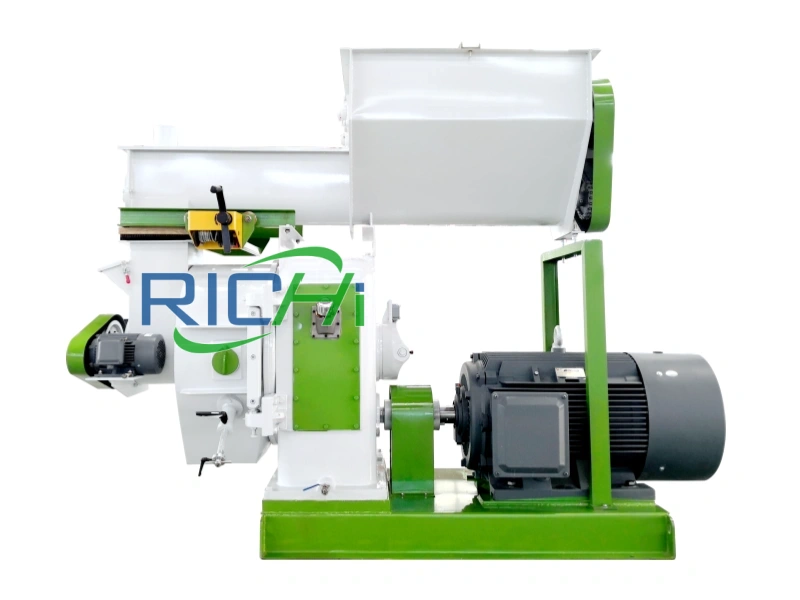
Many producers entering the market begin by evaluating a wood pellet mill for sale uk that matches their expected production requirements. Equipment selection often determines the long-term profitability of a project, making the decision one of the most important stages in facility planning.
Why Biomass Pellets Continue to Gain Market Share
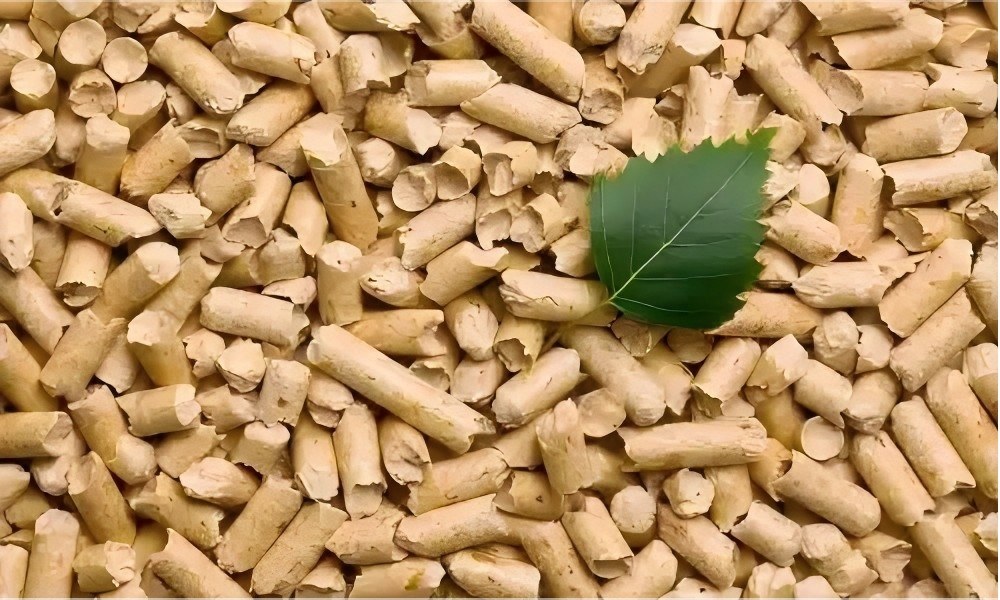
Biomass pellets offer several advantages compared to traditional energy sources. Unlike loose biomass materials, pellets provide consistent density, predictable combustion performance, and improved transportation efficiency.
Wood pellets are commonly used in:
- Residential heating systems
- Commercial boilers
- District heating networks
- Industrial steam generation
- Agricultural drying facilities
- Institutional heating projects
The demand for these applications has remained relatively stable despite fluctuations in energy markets. As organizations pursue carbon reduction goals, pellet fuel remains an attractive option because it can often be integrated into existing energy systems with relatively modest infrastructure changes.
The ability to produce pellets from local resources further strengthens the business case. Instead of depending entirely on imported fuels, producers can create value from materials already available within regional supply chains.
Understanding the Raw Material Advantage
One reason biomass pellet production continues to expand is the diversity of raw materials that can be utilized.
Suitable feedstocks include:
- Sawdust
- Wood shavings
- Wood chips
- Forest residues
- Pruning waste
- Agricultural biomass
- Processing by-products
Not every material behaves the same during pelletization. Moisture content, fiber structure, density, and ash levels all influence production efficiency and final pellet quality.
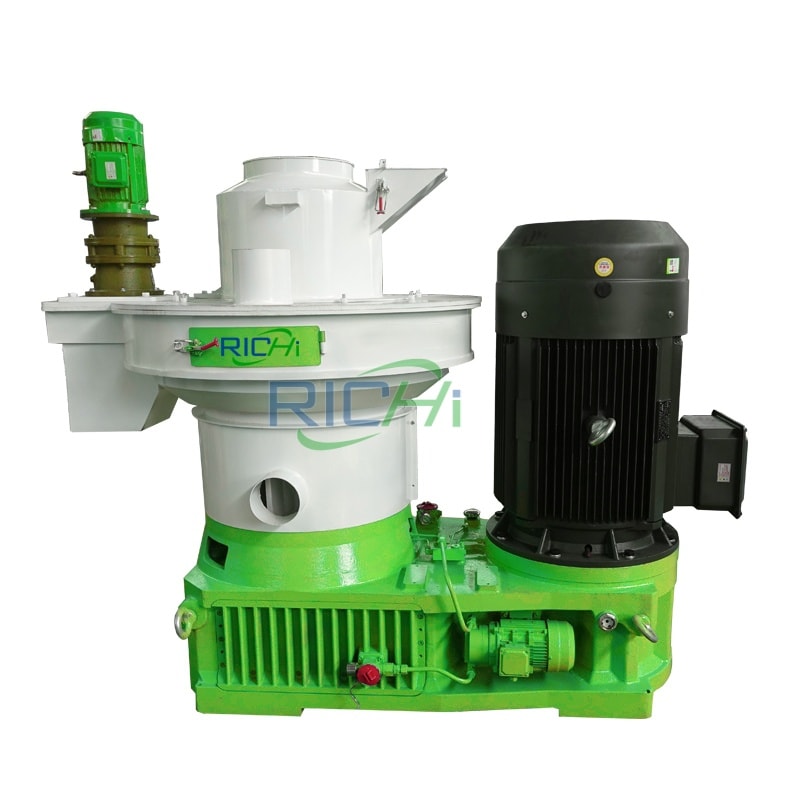
Among the various feedstocks available, sawdust remains one of the most widely used due to its excellent pellet-forming characteristics. For manufacturers handling large volumes of wood-processing waste, investing in a specialized pellet mill for sawdust often provides an efficient pathway to commercial pellet production.
The Evolution of Pellet Manufacturing Technology
Early pellet production systems required significant operator involvement. Process adjustments were frequently performed manually, and maintaining consistent pellet quality could be challenging.
Today’s pellet manufacturing facilities benefit from substantial technological improvements.
Modern systems commonly include:
Intelligent Feeding Systems
Automated feeders maintain stable material flow into the pelletizing chamber. This consistency helps improve production efficiency and reduce equipment stress.
Advanced Die Designs
Improved die engineering contributes to higher output rates while reducing energy consumption.
Real-Time Monitoring
Sensors continuously track operating conditions such as temperature, current load, and production rates.
Automated Safety Protection
Modern equipment can automatically respond to overload conditions, reducing the risk of costly damage.
These innovations allow producers to achieve higher productivity while minimizing downtime.
Why Equipment Reliability Matters
Many new investors focus primarily on purchase price when comparing equipment. While initial investment is important, long-term operating performance often has a greater impact on profitability.
Reliable equipment provides several advantages:
- Lower maintenance expenses
- Reduced production interruptions
- Better pellet consistency
- Higher annual output
- Improved customer satisfaction
A facility operating continuously throughout the year depends on stable performance. Even short periods of downtime can result in missed delivery commitments and increased operating costs.
This is why experienced manufacturers typically evaluate factors such as component quality, supplier support, and engineering design before making purchasing decisions.
The Importance of Production Planning
Successful pellet operations begin long before equipment arrives on-site.
A comprehensive planning process generally includes:
Feedstock Assessment
Producers must verify that sufficient raw material supplies are available throughout the year.
Market Analysis
Understanding local and regional demand helps determine appropriate production capacity.
Site Selection
Facilities require adequate space for raw material storage, production equipment, finished product handling, and future expansion.
Utility Evaluation
Electricity supply, water availability, and transportation access all influence project viability.
Companies that invest time in proper planning often experience smoother project implementation and stronger long-term performance.
Quality Standards Are Becoming More Important
As pellet markets mature, customers increasingly expect consistent quality.
Key quality indicators include:
- Pellet durability
- Moisture content
- Ash content
- Bulk density
- Energy value
- Particle uniformity
Meeting these standards requires both high-quality raw materials and reliable manufacturing processes.
Producers that consistently deliver premium pellets are generally better positioned to establish long-term customer relationships and command stronger market prices.
Automation Is Reshaping Production Economics
Labour shortages and rising wage costs have encouraged many manufacturers to embrace automation.
Modern facilities frequently incorporate automated systems for:
- Material conveying
- Feeding control
- Cooling management
- Screening operations
- Packaging processes
- Production reporting
Automation offers several benefits beyond labour reduction. Improved consistency and enhanced process control often contribute directly to product quality improvements.
A well-designed pellet plant can integrate these technologies into a coordinated production environment, enabling operators to manage large volumes of output with greater efficiency.
Environmental Benefits Beyond Carbon Reduction
Although carbon emissions often receive the most attention, biomass pellet production provides several additional environmental advantages.
Waste Reduction
Materials previously considered waste can become valuable commercial products.
Improved Resource Utilization
Pellet manufacturing supports more efficient use of forestry and agricultural resources.
Reduced Open Burning
In some regions, agricultural residues are traditionally burned in fields. Pellet production offers an alternative utilization pathway.
Circular Economy Support
The conversion of by-products into fuel aligns closely with circular economy principles.
These environmental benefits continue to attract interest from governments, businesses, and consumers alike.
Common Challenges Facing New Producers
Despite the industry’s potential, pellet manufacturing is not without challenges.
Feedstock Variability
Raw material quality can fluctuate depending on season, supplier, and storage conditions.
Equipment Wear
Biomass materials may contain abrasive contaminants that accelerate component wear.
Energy Costs
Electricity consumption remains an important operational consideration.
Market Competition
Growing production capacity can increase competitive pressure within certain regions.
Fortunately, most of these challenges can be addressed through proper planning, equipment selection, and operational management.
Future Trends in the UK Pellet Industry
Several developments are expected to influence the industry’s future direction.
Greater Emphasis on Sustainability
Customers increasingly seek products with transparent environmental credentials.
Expanded Industrial Applications
Industrial users continue exploring biomass as an alternative energy source.
Higher Automation Levels
Digital technologies are expected to play an increasingly important role in facility management.
Diversified Feedstocks
Producers are investigating additional biomass sources beyond traditional wood residues.
Stronger Quality Requirements
As markets mature, quality expectations are likely to become even more stringent.
Businesses that adapt to these trends will be better positioned to maintain competitiveness over the coming years.
Choosing a Long-Term Equipment Partner
Equipment suppliers contribute more than machinery alone. Technical expertise, engineering support, installation guidance, and after-sales service all influence project outcomes.
When evaluating suppliers, investors often consider:
- Industry experience
- Manufacturing capabilities
- Project references
- Technical support resources
- Spare parts availability
- Training services
Many international buyers compare solutions from multiple manufacturers before selecting a provider such as Richi manufacture, particularly when planning large-scale production facilities intended for long-term operation.
Conclusion
The UK’s biomass pellet sector continues to present attractive opportunities for businesses seeking sustainable growth and diversification. By transforming wood residues into high-value fuel products, producers can support renewable energy goals while generating new revenue streams.
Success depends on several interconnected factors, including feedstock availability, equipment reliability, process optimization, and market positioning. Companies that approach pellet manufacturing with a long-term perspective are often best positioned to benefit from the industry’s continued development.
As renewable energy demand expands and sustainability objectives become increasingly important, biomass pellet production is likely to remain a key component of Britain’s evolving energy landscape. For readers interested in exploring additional technical information and industry developments, check my source for further insights into modern pellet manufacturing technologies.
Related Post: https://pelletizerequipment.com/cat-litter-pellet-machine/