



Introduction: Turning Traditional Forage Into a Commercial Feed Product
For many livestock producers, feed cost represents one of the largest operating expenses. As animal production becomes more competitive, farmers are searching for ways to improve feed efficiency while maintaining animal health and productivity.
Alfalfa has always been considered a premium forage crop due to its high protein content, rich minerals, and excellent nutritional balance. However, traditional methods of handling alfalfa, such as hay production and direct feeding, often create challenges including storage losses, transportation difficulties, and inconsistent quality.
Modern pelletizing technology provides a practical solution. By converting dried alfalfa into compact pellets, producers can improve resource utilization and create a more standardized feed product.
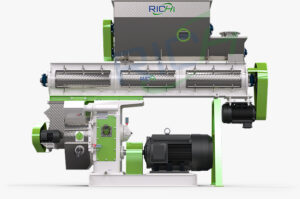
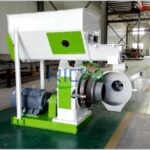
A professional alfalfa pellet machine for sale allows agricultural businesses to process locally available forage materials into high-value feed products while reducing dependence on external suppliers.
The development of alfalfa pellet production is not only changing the way farmers use forage resources but also creating new opportunities for agricultural entrepreneurs.
Why Are Alfalfa Pellets Becoming More Popular Among Livestock Producers?
The livestock industry requires feed products that are convenient, nutritious, and economical. Compared with traditional loose hay, alfalfa pellets offer several practical advantages.
1. Better Storage Efficiency
One of the biggest problems with traditional forage is storage space. Large volumes of hay require warehouses with good ventilation and moisture protection.
Pellets solve this problem by increasing material density. More feed can be stored in a smaller area, making inventory management easier.
For farms located in regions with seasonal forage availability, pelletized alfalfa provides a reliable feed reserve throughout the year.
2. Improved Transportation Performance
Loose forage occupies significant transportation capacity because of its low density.
After pelletizing, the same amount of nutritional material requires less transportation space. This advantage helps reduce logistics expenses and makes long-distance distribution more practical.
3. Reduced Feed Waste
Animals may selectively consume certain parts of loose forage, leading to uneven nutrition and unnecessary waste.
Alfalfa pellets provide more uniform feeding characteristics, allowing farmers to better control daily feed portions.
4. Easier Commercial Distribution
For companies selling animal feed products, pellets are easier to package, label, transport, and market.
This makes alfalfa pellet production attractive not only for livestock farms but also for feed suppliers and agricultural investors.
How Does an Alfalfa Pellet Production System Work?
A successful pellet production project requires several processing stages working together.
(Related Post: https://biomasspelletizer.com/lucerne-pellet-machine/)
Raw Material Preparation
The first step involves preparing suitable alfalfa materials. Freshly harvested alfalfa usually contains high moisture levels and cannot directly enter the pelletizing process.
Drying is necessary to achieve suitable moisture conditions. Proper preparation ensures better pellet quality and improves machine performance.
Crushing Process
Dried alfalfa is crushed into smaller particles to improve compression efficiency.
The particle size should match the requirements of the pellet machine. Proper crushing helps create stronger pellets with better appearance.
Mixing and Conditioning
Some businesses combine alfalfa with other feed ingredients to create customized formulas.
Conditioning improves material characteristics before pellet formation by adjusting moisture and temperature.
Pelletizing Process
During pelletizing, mechanical pressure compresses the prepared material through a die.
The pressure creates dense cylindrical pellets that are easier to handle and store.
Different customers may require different capacities. For example, a 0.5-8 T/H alfalfa pellet production line solution can be customized for farms and commercial enterprises with different production goals.

Cooling and Packaging
Fresh pellets leave the machine at elevated temperatures. Cooling helps stabilize the product and improve storage performance.
After screening, qualified pellets can be packed into bags or stored for bulk transportation.
What Equipment Is Needed for Commercial Alfalfa Pellet Production?
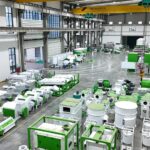
A complete pellet production system usually includes multiple machines rather than only one pelletizer.
Typical equipment includes:
- Raw material feeding system
- Crusher
- Dryer
- Mixer
- Pelletizing machine
- Cooler
- Screening equipment
- Packing system
The combination of these machines determines production efficiency and final pellet quality.
Experienced suppliers can design complete solutions based on raw material conditions, factory layout, and customer requirements.
For investors planning a professional forage processing project, choosing an experienced supplier like Richi Machinery can help simplify equipment selection and project implementation.
Small Farms and Large Enterprises: Different Investment Strategies
Different businesses have different goals when entering the alfalfa pellet market.
Small Farm Applications
Small farms usually focus on producing feed for their own livestock.
Their priorities include:
- Lower investment cost
- Easy operation
- Flexible production capacity
- Reduced feed purchasing expenses
A compact pellet system can help farmers transform their own alfalfa resources into valuable feed.
Commercial Feed Businesses
Large enterprises focus on continuous production and market expansion.
They need:
- Stable output
- Automated operation
- Professional production management
- Reliable after-sales support
A complete industrial alfalfa pellet processing line solution can meet the requirements of large-scale feed manufacturers that supply multiple customers.
How Can Businesses Improve Return on Investment?
Building a successful alfalfa pellet project requires careful planning.
Analyze Raw Material Availability
Stable raw material supply is essential.
Before investing, businesses should evaluate:
- Local alfalfa planting area
- Seasonal availability
- Transportation distance
- Storage conditions
A reliable supply chain helps maintain consistent production.
Understand Market Demand
Different regions have different feed requirements.
Potential customers may include:
- Dairy farms
- Horse farms
- Sheep producers
- Feed distributors
- Animal nutrition companies
Understanding customer needs helps determine the right product strategy.
Select Suitable Equipment
Choosing equipment only based on price may create problems in the future.
Important factors include:
- Machine durability
- Energy efficiency
- Production stability
- Technical support
A professional pellet maker can provide consistent pellet quality while improving production efficiency.
The Future of Alfalfa Pellet Manufacturing
The agricultural industry is moving toward more efficient and sustainable production models.
Modern pellet technology supports this trend by maximizing the value of agricultural resources.
Future developments will focus on:
- Higher automation levels
- Lower energy consumption
- Intelligent control systems
- Customized feed solutions
As livestock producers continue searching for efficient feed strategies, alfalfa pellets will remain an important product in the global forage market.
Businesses interested in understanding more technical details and market trends can discover this info here to explore additional information about pellet processing applications.
Conclusion: A Smart Direction for Agricultural Entrepreneurs
Alfalfa pellet production provides a bridge between traditional agriculture and modern feed manufacturing.
By transforming forage into compact, standardized pellets, businesses can reduce waste, improve storage efficiency, and create new revenue opportunities.
Whether for a family farm or a commercial feed company, the right pelletizing solution can improve operational efficiency and strengthen market competitiveness.
With increasing demand for sustainable animal nutrition products, investing in alfalfa pellet processing technology offers promising opportunities for agricultural businesses worldwide.