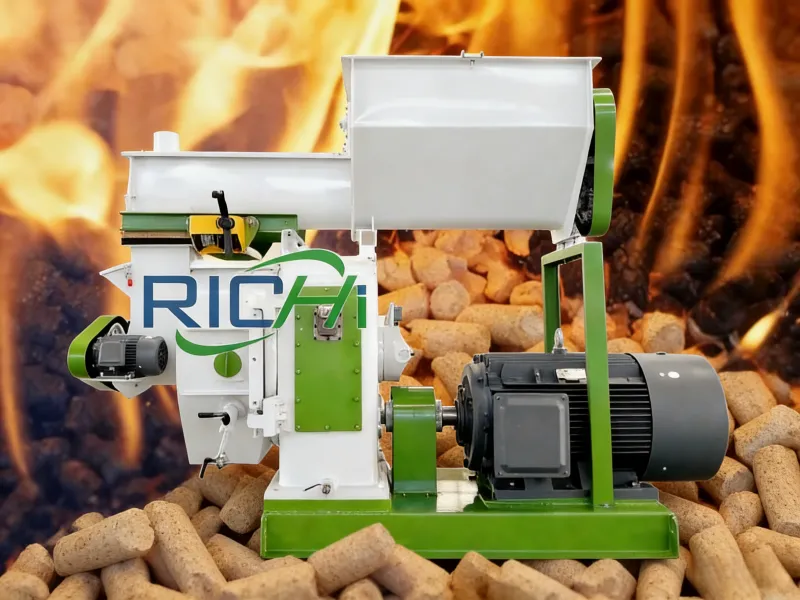

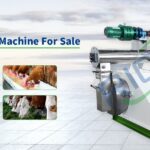


The global livestock industry continues to expand as commercial farms and feed manufacturers seek more efficient ways to produce high-quality feed products. Pellet feed has become one of the most important forms of animal nutrition because it improves digestibility, reduces feed waste, and supports better animal growth performance. To meet increasing demand, many businesses are investing in advanced animal feed pellet making machine for sale solutions designed for stable and large-scale production.
Modern feed manufacturing systems combine intelligent automation, precision engineering, and energy-efficient technologies to improve productivity and product consistency. Whether manufacturing rabbit feed, poultry feed, cattle feed, or specialty nutrition products, advanced pellet equipment helps businesses improve operational efficiency while lowering long-term production costs.
For industrial feed factories and agricultural investors, selecting the right pellet production system is essential for achieving long-term profitability and market competitiveness.
Why Pellet Feed Is Important in Industrial Farming
Pellet feed offers major advantages compared with traditional powder feed products.
High-quality pellet feed provides:
- Better feed digestibility
- Reduced feed waste
- Improved feed conversion efficiency
- Easier transportation and storage
- Stable nutritional balance
- Better livestock growth performance
A professional animal feed pellet making machine for sale allows manufacturers to produce durable and uniform pellets suitable for various commercial feeding applications.
Understanding the Industrial Feed Pellet Production Process
Modern feed manufacturing includes several integrated stages designed to ensure stable product quality and efficient operation.
Raw Material Preparation
The process begins with preparing ingredients such as corn, soybean meal, wheat bran, alfalfa powder, grass powder, fish meal, vitamins, minerals, and nutritional additives.
Grinding systems reduce ingredient particle size and improve pellet formation efficiency.
Mixing and Formula Preparation
Efficient mixing systems ensure nutrients are evenly distributed throughout the feed formula. Uniform blending improves pellet quality and feed consistency.
Conditioning and Pelletizing
Conditioning systems introduce steam and moisture before pellet formation. During pelletizing, heat and pressure compress the material into dense and durable pellets.
Large-scale producers often invest in an industrial rabbit pellet making machine because industrial rabbit farming requires stable pellet quality, high output capacity, and reliable continuous operation.
Cooling and Drying
Fresh pellets contain moisture that must be reduced before packaging and storage. Cooling systems stabilize pellet structure and improve pellet durability.
Packaging and Storage
Automated packaging systems improve production efficiency and maintain hygienic handling standards.
Why Industrial Rabbit Feed Production Requires Advanced Technology
Rabbit feed production requires specialized processing technology because rabbits need highly digestible and fiber-rich nutrition.
High Fiber Ingredient Processing
Rabbit feed commonly includes alfalfa and grass materials that require efficient pelletizing performance.
Stable Pellet Size
Uniform pellets improve feeding efficiency and reduce material waste.
Moisture Control
Proper moisture management improves storage stability and feed freshness.
Durable Pellet Structure
Strong pellets reduce breakage during transportation and long-term storage.
Manufacturers often compare multiple animal feed pellet making machine for sale options carefully before selecting equipment for industrial rabbit feed production.
Advantages of Automated Industrial Feed Manufacturing
Automation has become essential in modern industrial feed factories.
Higher Production Efficiency
Automated systems support continuous large-scale production with minimal downtime.
Stable Product Quality
Digital monitoring systems maintain consistent pressure, moisture, and temperature conditions throughout production.
Reduced Labor Costs
Automation lowers manual labor requirements and improves factory management efficiency.
Better Feed Safety
Closed production systems reduce contamination risks and improve hygiene standards.
Flexible Product Manufacturing
Manufacturers can produce different pellet sizes and feed formulas using the same production line.
Industry professionals often check my source to learn more about modern feed production technologies and industrial manufacturing solutions.
Important Features of Modern Pellet Equipment
Modern industrial feed systems include advanced technologies designed for high-capacity manufacturing.
Intelligent Control Systems
Operators can monitor production speed, pressure, temperature, and moisture through digital interfaces.
Energy-Efficient Operation
Optimized equipment structures reduce electricity consumption while maintaining stable productivity.
Durable Machine Construction
Wear-resistant components improve equipment lifespan and reduce maintenance frequency.
Stable Pellet Formation
Precision engineering ensures consistent pellet density, texture, and appearance.
Flexible Formula Compatibility
Modern systems support multiple feed formulations with minimal downtime during product changes.
A professional industrial rabbit pellet making machine helps manufacturers improve operational efficiency while maintaining stable feed quality.
Factors Affecting Equipment Investment Decisions
Selecting suitable industrial feed equipment requires careful evaluation of several important factors.
Production Capacity
Manufacturers should choose equipment based on expected output requirements and future expansion goals.
Raw Material Compatibility
Different feed ingredients require flexible processing capability.
Factory Layout Planning
Efficient equipment arrangements improve workflow and operational management.
Maintenance and Spare Parts
Reliable technical support and spare parts availability help minimize operational interruptions.
Long-Term Operating Costs
Energy-efficient systems reduce long-term manufacturing expenses.
Many businesses evaluating an animal feed pellet making machine for sale also compare machine durability, efficiency, and maintenance costs before making investment decisions.
Why Pellet Quality Is Critical in Animal Feeding
Pellet quality directly affects feed efficiency and livestock health.
Better Feed Conversion
Uniform pellets improve nutrient absorption and reduce feed waste.
Improved Animal Growth
Balanced and digestible feed supports healthier livestock development.
Easier Storage and Transportation
Durable pellets reduce product loss during handling and shipping.
Reduced Dust Pollution
High-quality pellets minimize dust generation during feeding operations.
Modern pellet maker machine systems are widely used because they improve pellet consistency and support efficient feed production.
Industry Trends Driving Equipment Development
Several major trends are shaping the future of feed manufacturing technology.
Growth of Commercial Farming
Large-scale farming operations require efficient and stable feed production systems.
Sustainable Manufacturing
Manufacturers increasingly seek energy-efficient technologies that reduce environmental impact.
Smart Factory Automation
Digital monitoring systems improve operational management and production control.
Customized Animal Nutrition
Demand for species-specific feed products continues growing worldwide.
Businesses interested in industry developments frequently check my source to stay informed about modern equipment innovations and manufacturing technologies.
Common Challenges in Industrial Feed Manufacturing
Although advanced technology improves efficiency, manufacturers still face several operational challenges.
Rising Raw Material Costs
Ingredient price fluctuations directly affect profitability.
Energy Consumption
Electricity usage remains a major operational expense.
Equipment Maintenance
Regular servicing is necessary to maintain stable long-term operation.
Increasing Market Competition
Manufacturers must continuously improve quality and efficiency to remain competitive.
Modern automation systems help reduce these challenges while improving overall production reliability.
Benefits of Industrial Pellet Production Systems
Industrial pellet production systems offer several advantages over traditional feed processing methods.
Higher Production Capacity
Industrial systems support continuous large-scale manufacturing.
Better Pellet Uniformity
Precision control improves feed consistency and product quality.
Reduced Downtime
Durable machine construction lowers maintenance interruptions.
Lower Operating Costs
Efficient systems reduce labor requirements and energy consumption.
Greater Product Flexibility
Manufacturers can produce multiple feed products using the same production platform.
A modern pellet maker machine supports efficient manufacturing while helping businesses adapt to changing market demands.
Why Supplier Experience Matters
Selecting a reliable equipment supplier is critical for long-term production success.
Engineering Expertise
Experienced suppliers understand feed production challenges and provide practical solutions.
Customized Equipment Design
Professional suppliers can optimize machine configurations based on customer production goals.
Installation and Training Support
Technical guidance improves production startup efficiency.
Spare Parts Availability
Reliable spare parts supply protects production schedules.
Long-Term Technical Service
Ongoing support improves operational stability and machine reliability.
Many industrial feed manufacturers choose Richi Machinery solutions because of their experience in feed processing technology and customized engineering support.
Future Development of Feed Pellet Technology
The feed manufacturing industry is expected to continue evolving rapidly in the coming years. Future trends may include:
- AI-assisted production monitoring
- Intelligent automation systems
- More energy-efficient technologies
- Advanced ingredient handling systems
- Fully digital factory management
Manufacturers investing in advanced technology today will be better prepared for future industry opportunities.
Conclusion
As global demand for high-quality animal feed products continues increasing, manufacturers must adopt advanced technologies to remain competitive. Investing in a reliable animal feed pellet making machine for sale solution helps businesses improve production efficiency, maintain stable pellet quality, and reduce operational costs.
From raw material preparation to final packaging, every production stage benefits from intelligent automation and precision engineering. Businesses investing in a professional industrial rabbit pellet making machine increasingly prioritize efficiency, durability, and production flexibility when selecting feed manufacturing equipment.
Advanced pellet maker machine technology supports scalable and efficient feed manufacturing operations, while many industry professionals check my source to explore new equipment innovations and industrial production trends.
With reliable engineering support and customized manufacturing systems, Richi Machinery continues helping feed producers build efficient and competitive feed production facilities worldwide.
Check the details: https://www.richimanufacture.com/animal-feed-pellet-machine-for-sale/